A good credit score is more than just a number; it’s a vital part of your financial health. In South Africa, as in many parts of the world, a solid credit score can be the key to securing loans, obtaining better interest rates, and even opening doors to opportunities such as renting a property or securing a job. Understanding your credit score, how it is calculated, and what you can do to improve it is essential for making informed financial decisions.

This article will delve into the significance of a good credit score, provide insights into the national credit score average, and offer practical tips on enhancing your credit rating.
What is a Credit Score?
A credit score is a three-digit number that represents your creditworthiness. It’s a numerical summary of your credit history, based on information from credit bureaus like TransUnion, Experian, and ClearScore. This score helps lenders determine how risky it would be to lend you money. The higher your score, the lower the risk for lenders, which usually results in better loan terms for you.
In South Africa, credit scores typically range from 0 to 999, with scores above 700 considered good, and those above 800 deemed excellent. Scores below 620 might suggest a higher risk, making it more challenging to get approved for credit.
The National Credit Score Average in South Africa
The national average credit score in South Africa hovers around 640-670.
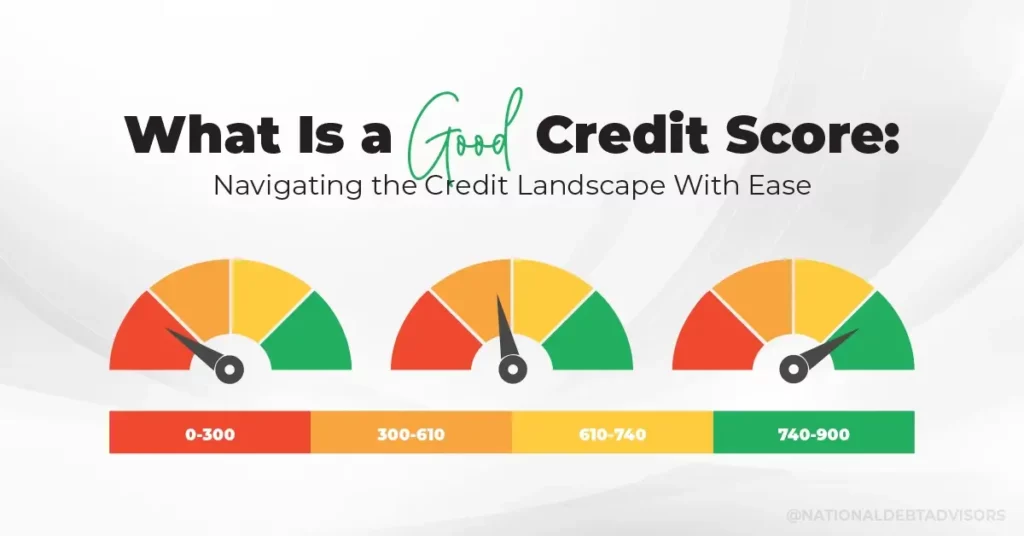
This is slightly below what many lenders consider a good score, indicating that a significant portion of the population may be at risk of being denied credit or offered less favourable terms. This average underscores the importance of financial literacy and proactive credit management.
Why is a Good Credit Score Important?
1. Access to Credit
One of the primary reasons to maintain a good credit score is to ensure access to credit. Whether you’re applying for a home loan, car finance, or even a credit card, your credit score will be one of the first things lenders evaluate. A poor credit score could lead to loan rejection or approval with unfavourable terms, such as higher interest rates.
2. Better Interest Rates
A good credit score can save you a significant amount of money over time. Lenders view individuals with higher credit scores as less risky, which often results in lower interest rates. For instance, on a home loan, even a 1% difference in interest rates can translate to thousands of rands saved over the loan’s lifetime.
3. Employment Opportunities
In some cases, potential employers may check your credit score as part of the hiring process. A poor credit score might indicate financial instability, which could be a red flag for employers, especially in industries like finance and banking.
4. Renting a Property
Landlords often run credit checks on potential tenants to assess their ability to pay rent on time. A good credit score can increase your chances of securing a lease, while a poor score might lead to your application being denied.
How to Improve Your Credit Score
Improving your credit score is not an overnight process, but with consistency and discipline, it is achievable.

Here are some steps you can take:
1. Pay Your Bills on Time
Payment history is one of the most significant factors affecting your credit score. Consistently paying your bills on time demonstrates financial responsibility and can positively impact your score. Setting up automatic payments or reminders can help ensure you never miss a payment.
2. Reduce Your Credit Utilisation Ratio
The credit utilization ratio is the amount of credit you’re using relative to your total credit limit. A high utilization ratio can negatively impact your score, so keep it below 30%. For example, if your credit limit is R20,000, try to keep your balance below R6,000.
3. Avoid Applying for Too Much Credit at Once
Every time you apply for credit, a hard inquiry is made on your credit report, which can temporarily lower your score. Multiple inquiries in a short period can be a red flag to lenders. Only apply for credit when necessary.
4. Monitor Your Credit Report Regularly
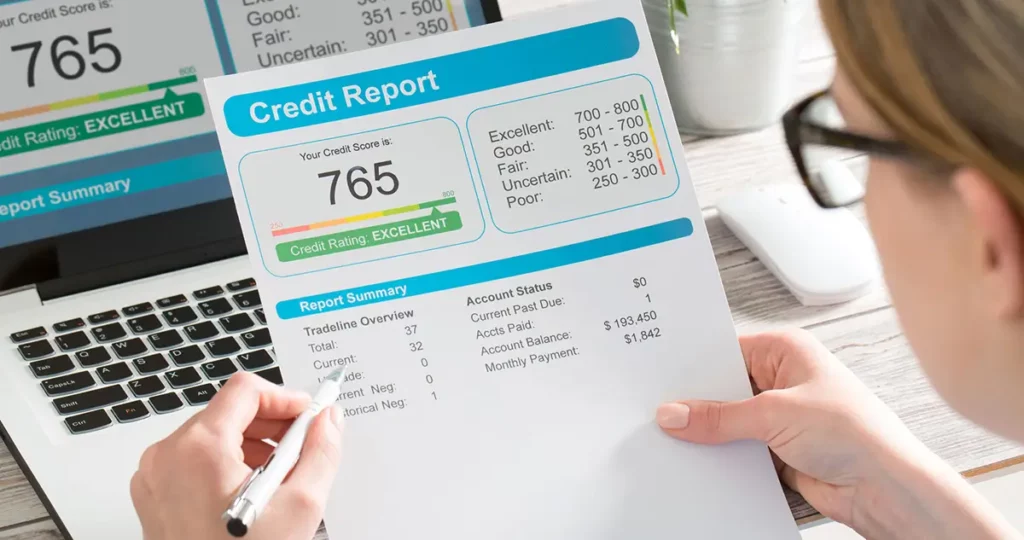
Regularly checking your credit report helps you stay informed about your credit status and allows you to spot any errors or fraudulent activities. In South Africa, you are entitled to one free credit report per year from each major credit bureau.
5. Diversify Your Credit Mix
Lenders like to see that you can manage different types of credit, such as credit cards, loans, and retail accounts. A diverse credit mix can positively influence your credit score, provided you manage them responsibly.
6. Settle Outstanding Debts
Outstanding debts, especially those that have gone into collections, can severely damage your credit score. Prioritize paying off these debts to start rebuilding your credit.
7. Keep Old Credit Accounts Open
The length of your credit history accounts for a portion of your credit score. Even if you’re not using an old credit card, keeping the account open can positively affect your score by increasing the average age of your accounts.
Tools to Help You Improve and Monitor Your Credit Score
There are several tools available in South Africa that can help you monitor your credit score and provide tips on how to improve it. These tools often offer free credit reports, score tracking, and personalized advice.
1. ClearScore

ClearScore is a popular app that provides free credit scores and reports, updated monthly. It also offers personalized tips on improving your score and suggests financial products tailored to your credit profile.
2. TransUnion

TransUnion is one of the major credit bureaus in South Africa. They offer a credit monitoring service that includes unlimited access to your credit report and score, as well as alerts for any changes to your report.
3. Experian

Experian provides free credit reports and scores, along with tools to help you understand the factors affecting your score. They also offer identity theft protection services, which can help safeguard your financial health.
4. MyCreditCheck
MyCreditCheck is another valuable resource for South Africans looking to monitor their credit. It provides access to your credit report, and credit score, and tips on how to improve your score.
Understanding the Impact of Your Credit Score
To better illustrate the importance of a good credit score, let’s look at some statistics and graphs that highlight the differences between having a good and a bad credit score.
1. Interest Rate Comparison
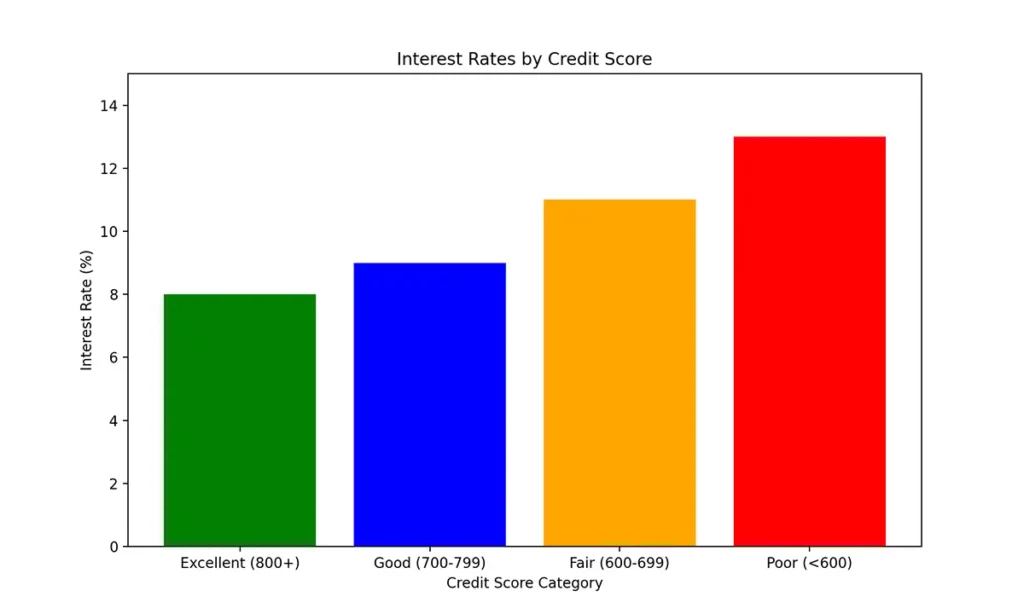
A comparison of interest rates offered to individuals with different credit scores can be eye-opening. For example, on a R500,000 home loan over 20 years:
- Excellent Credit Score (800+): 8% interest rate
- Good Credit Score (700-799): 9% interest rate
- Fair Credit Score (600-699): 11% interest rate
- Poor Credit Score (<600): 13% interest rate
2. Loan Approval Rates
Individuals with higher credit scores are more likely to be approved for loans and other credit products. The graph below shows approval rates for different credit score ranges:
- 800+: 90% approval rate
- 700-799: 75% approval rate
- 600-699: 50% approval rate
- Below 600: 25% approval rate
This illustrates the advantage of maintaining a high credit score when applying for credit.
3. Credit Utilisation Ratio
The credit utilization ratio is a critical factor in your credit score. The graph below shows how your score can be affected by different utilization levels:
- 0-30% Utilization: Optimal range, positively impacts your score.
- 31-50% Utilization: Neutral impact on your score.
- 51-75% Utilization: Negative impact on your score.
- 76-100% Utilization: Significant negative impact on your score.
Maintaining a low credit utilization ratio is crucial for a healthy credit score.
A good credit score is essential for achieving financial stability and unlocking various opportunities in life. It can save you money on interest rates, increase your chances of loan approval, and even impact your employment prospects. By understanding the factors that influence your credit score and using the tools available to monitor and improve it, you can take control of your financial future.
Remember, improving your credit score is a journey that requires discipline and consistency. By paying your bills on time, managing your credit utilization, and regularly monitoring your credit report, you can gradually build a strong credit score that will serve you well in the long run.
Whether you’re planning to apply for a loan, rent a property, or simply want to ensure you’re making the best financial decisions, a good credit score is your key to success.
Start taking steps today to improve your credit score and secure a brighter financial future.


