|
Getting your Trinity Audio player ready...
|
When you think about 1990s hip-hop, one of the first names that comes to mind is Bad Boy Records. Founded in 1993 by Sean “Puff Daddy” Combs (later known as Diddy), Bad Boy transformed the music landscape, combining street-inspired rap with crossover pop appeal. This blend catapulted hip-hop from the fringes to the center of mainstream culture, influencing not just music but fashion, lifestyle, and entertainment.
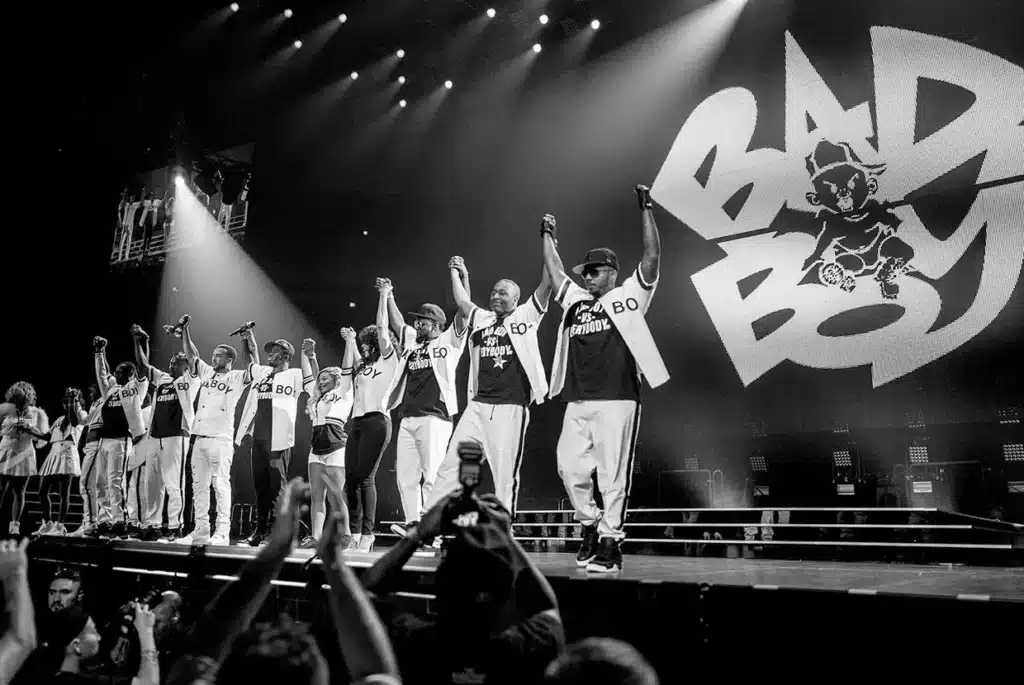
The Beginnings of Bad Boy Records
Bad Boy Records was born out of ambition and frustration. Sean Combs started his career as an intern at Uptown Records, where he quickly rose through the ranks as a producer and talent scout. However, a fallout with Uptown executives led to his departure. Unfazed, Combs used this setback as motivation to start his own label, and thus Bad Boy Records was founded.
Combs had a clear vision for the label: he wanted to produce hip-hop that could thrive on both the streets and the radio. He signed his first major artist, a Brooklyn rapper named Christopher Wallace, better known as The Notorious B.I.G. This partnership would become the foundation of Bad Boy’s success.
The Notorious B.I.G. and the Rise of Bad Boy Records
The Notorious B.I.G., also known as Biggie Smalls, was the breakout star who cemented Bad Boy Records’ place in music history. His debut album, Ready to Die (1994), was a raw yet polished blend of gritty street tales and catchy, radio-friendly tracks. Singles like “Juicy” and “Big Poppa” became instant hits, earning widespread critical and commercial success. Biggie’s storytelling, combined with Puff Daddy’s sharp production skills, created a unique sound that dominated the airwaves.
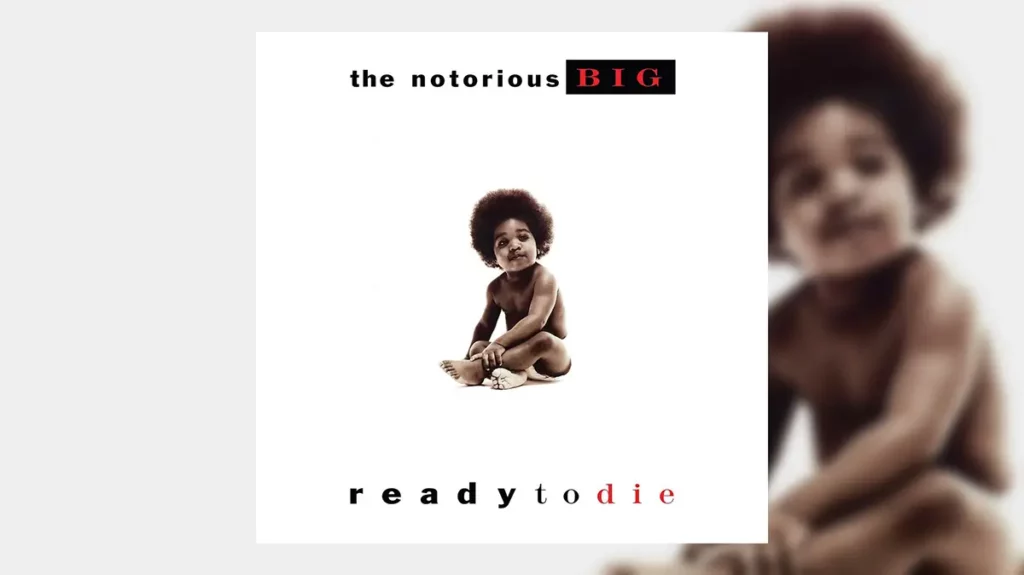
Bad Boy’s success wasn’t just built on Biggie’s shoulders, though. The label’s roster expanded quickly, including acts like Craig Mack, whose 1994 single “Flava in Ya Ear” became another chart-topping hit, and Faith Evans, whose soulful vocals brought an R&B edge to the label.
East Coast vs. West Coast Feud
One of the most defining, and tragic, moments in Bad Boy Records’ history was its involvement in the infamous East Coast-West Coast rivalry. Bad Boy Records, based in New York, and Death Row Records, based in Los Angeles, found themselves at the center of a highly publicized and dangerous feud. At the heart of this conflict were two of the biggest stars of the era: Biggie and Tupac Shakur.
What started as a personal falling out between the two artists escalated into a media-fueled war between their respective labels. Diss tracks, public insults, and heated interviews intensified the rivalry, culminating in the untimely deaths of both Tupac and Biggie within months of each other. The loss of The Notorious B.I.G. in 1997 was a devastating blow to Bad Boy Records, but it also marked the end of an era in hip-hop.
Life After Biggie
After Biggie’s death, many wondered whether Bad Boy could maintain its relevance without its brightest star. Sean Combs, however, was determined to keep the label at the forefront of the industry. In 1997, he released his debut album No Way Out under the name Puff Daddy. The album, propelled by the tribute single “I’ll Be Missing You,” dedicated to Biggie, was a massive commercial success, winning a Grammy for Best Rap Album.
Bad Boy Records continued to sign and develop new talent, including acts like 112, Total, and Mase, who helped the label stay on top of the charts with hits like “Feel So Good” and “Only You.” The label’s signature sound—characterized by a mix of hip-hop beats, soulful melodies, and pop sensibility—kept it at the cutting edge of mainstream music.
Reinvention and New Chapters
By the 2000s, Bad Boy Records had to adapt to the changing landscape of the music industry. Combs rebranded himself as Diddy and diversified his business ventures, expanding into fashion, liquor, and reality television. Meanwhile, the label signed new acts like the pop group Danity Kane and the R&B artist Cassie, who helped maintain Bad Boy’s presence in the charts.
Though the label’s dominance in hip-hop began to wane, its legacy remained firmly intact. Artists like French Montana and Machine Gun Kelly, who signed with Bad Boy in the 2010s, represented the label’s ability to evolve with the times while staying true to its roots.
Cultural Impact
Bad Boy Records’ impact extends beyond just music. The label was instrumental in defining the look and feel of 1990s hip-hop culture. Diddy’s flamboyant fashion sense, extravagant music videos, and larger-than-life persona set new standards for what it meant to be a music mogul. He ushered in an era of “the rapper as a businessman,” paving the way for future entrepreneurs like Jay-Z and Dr. Dre.
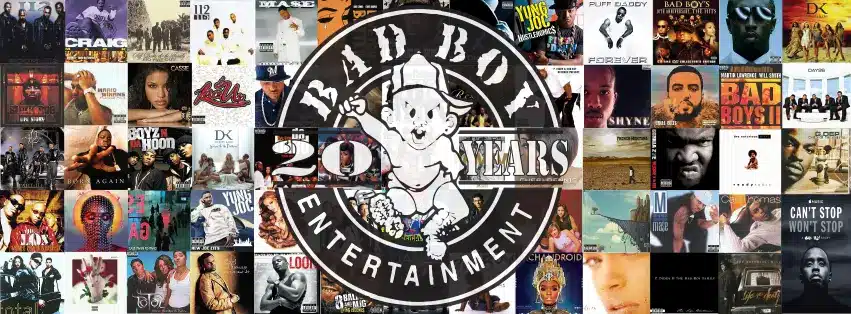
In terms of influence, Bad Boy helped to shape the sound of mainstream hip-hop and R&B. The fusion of glossy production, street-inspired lyrics, and pop-friendly hooks became a blueprint for the genre’s evolution in the 2000s.
Bad Boy Records is more than just a record label—it’s a symbol of a transformative period in music history. From its rise with The Notorious B.I.G. to its reinvention in the 2000s, Bad Boy’s journey is a testament to the vision and resilience of Sean “Diddy” Combs. With a catalogue full of timeless hits and a legacy of groundbreaking artists, Bad Boy Records remains a cornerstone of hip-hop culture.


