|
Getting your Trinity Audio player ready...
|
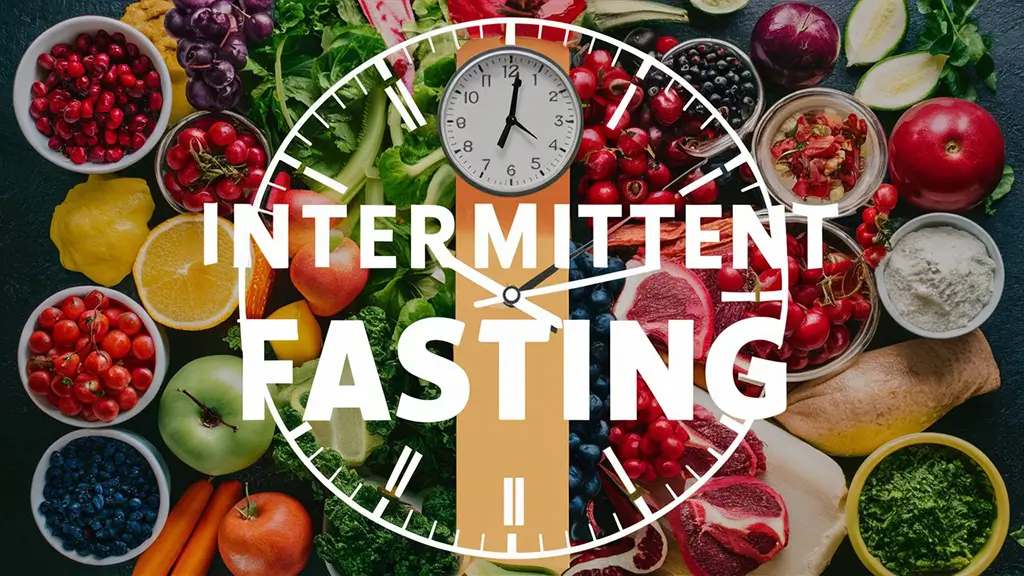
Intermittent fasting (IF) has gained significant attention in recent years as an effective and flexible approach to improving health and managing weight. This beginner’s guide will introduce you to the fundamental concepts of intermittent fasting, its benefits, and how to start with the popular 16:8 method.
What is Intermittent Fasting?
Intermittent fasting is an eating pattern that alternates between periods of eating and fasting. Unlike traditional diets, it doesn’t specify which foods to eat but rather when you should eat them. The primary focus is on creating an eating schedule that promotes better health and facilitates weight management.


Popular Intermittent Fasting Methods
There are several methods of intermittent fasting, each with its unique approach:
- 16:8 Method: Fast for 16 hours and eat during an 8-hour window. This is one of the most popular and easiest methods for beginners.
- 5:2 Diet: Eat normally for five days a week and consume only 500-600 calories on two non-consecutive fasting days.
- Eat Stop Eat: Fast for 24 hours once or twice a week.
- Alternate-Day Fasting: Alternate between normal eating and fasting days.
- OMAD (One Meal a Day): Eat one large meal per day and fast for the remaining 23 hours.
Health Benefits of Intermittent Fasting

Numerous studies and health experts, including those featured in Men’s Health Magazine, have highlighted several benefits of intermittent fasting:
- Weight Loss: IF can help reduce calorie intake and increase fat burning. According to a study published in the New England Journal of Medicine, intermittent fasting can lead to significant weight loss and fat loss.
- Improved Insulin Sensitivity: Fasting periods can help lower blood sugar levels and improve insulin sensitivity, reducing the risk of type 2 diabetes.
- Enhanced Metabolic Health: IF can improve various metabolic markers, including cholesterol levels, triglycerides, and inflammatory markers.
- Increased Longevity: Animal studies suggest that intermittent fasting may extend lifespan and improve overall health in older age.
- Improved Brain Health: Fasting may enhance brain function, promote neurogenesis, and protect against neurodegenerative diseases.
Getting Started with the 16:8 Method
The 16:8 method is an excellent starting point for beginners due to its simplicity and flexibility.

Here’s how to begin:
- Choose Your Fasting Window: Decide on a 16-hour fasting period and an 8-hour eating window that fits your lifestyle. Common fasting windows include 8 p.m. to 12 p.m. the next day or 7 p.m. to 11 a.m.
- Stay Hydrated: Drink plenty of water, herbal tea, or black coffee during your fasting hours to stay hydrated and curb hunger.
- Plan Balanced Meals: During your eating window, focus on nutrient-dense foods, including lean proteins, healthy fats, whole grains, and plenty of fruits and vegetables.
- Listen to Your Body: It may take a few days to adjust to the new eating schedule. If you feel overly fatigued or unwell, consider modifying your fasting window or consulting with a healthcare professional.
- Consistency is Key: Aim to follow the 16:8 schedule consistently. Over time, your body will adapt, and you’ll start to experience the benefits of intermittent fasting.
| Time | Activity |
|---|---|
| 8:00 p.m. | Start fasting |
| 8:00 a.m. | Continue fasting |
| 12:00 p.m. | Break the fast with a balanced meal |
| 3:00 p.m. | Healthy snack |
| 7:00 p.m. | Dinner |
| 8:00 p.m. | Start fasting again |
Intermittent fasting, particularly the 16:8 method, offers a flexible and straightforward approach to improving health and managing weight. By understanding the basics and following a consistent schedule, beginners can gradually adapt to this eating pattern and reap its numerous benefits.
Always consult with a healthcare professional before starting any new diet or fasting regimen, especially if you have underlying health conditions.


