Intermittent fasting, a dietary regimen that cycles between periods of fasting and eating, has recently soared in popularity. Many South Africans have embraced this diet trend, hoping to reap its touted benefits, including weight loss, improved metabolic health, and longevity. However, a new study has raised a question mark over its impact on heart health.
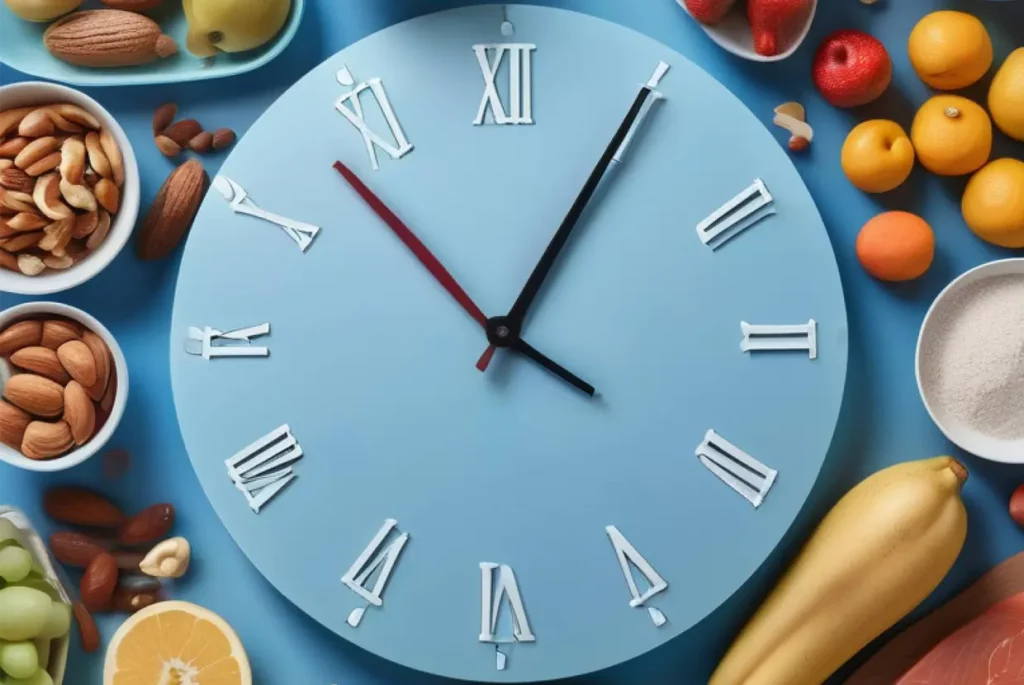
Intermittent Fasting: A Double-Edged Sword?
Intermittent fasting is often hailed as a ‘biohack’ – a way to trick our biology into better health. It’s not about what you eat, but when you eat. By restricting the eating window to a concise 8 hours, it is believed that our bodies can optimise their fat-burning potential.
However, a recent study conducted on 19,000 adults has indicated a potential downside. The research links an eight-hour eating window, a common format of intermittent fasting, to a heightened risk of cardiovascular death. This unexpected finding has sent ripples through the global health community, prompting a closer look at this popular diet trend.
The South African Context
With South Africa carrying a high burden of lifestyle-related diseases such as diabetes, obesity, and heart disease, any new dietary trend needs to be scrutinised carefully. Our diverse population, with its varying dietary habits, also adds complexity to the issue. Notably, traditional South African diets are often high in carbohydrates and fats, making dietary interventions all the more relevant.
While some South Africans have reported positive outcomes from intermittent fasting, the recent study’s findings cannot be ignored. It underscores the need for individualised dietary advice, taking into account personal health history and genetic predisposition.
What’s Next?
The revelations of this study indicate that there’s much more to learn about intermittent fasting’s effects on heart health. As the debate continues, it’s crucial for individuals to consult with healthcare professionals before jumping on the diet trend bandwagon.
South Africans should remember that a balanced, nutritious diet, regular physical activity, and a healthy lifestyle are the cornerstones of good health. As the saying goes, there’s no ‘one-size-fits-all’ solution when it comes to nutrition.
Source: BBC


