|
Getting your Trinity Audio player ready...
|
Intermittent fasting (IF) is not just a diet trend but a scientifically backed approach to eating that has shown numerous health benefits. This article delves into the science behind intermittent fasting, explaining how it works and why it’s effective for weight loss and overall health improvement.
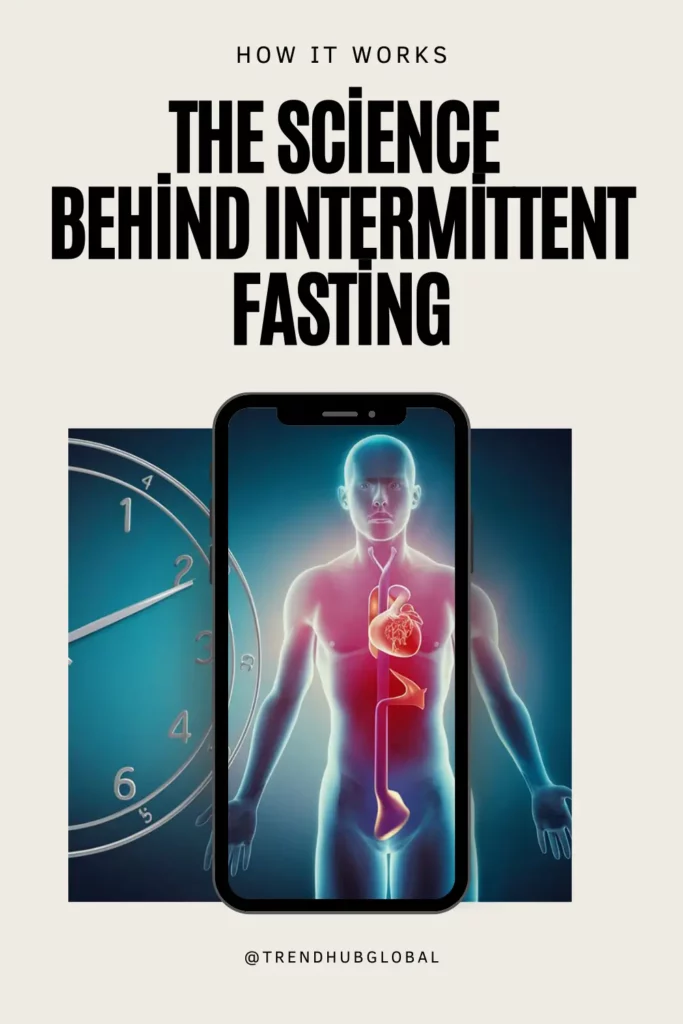
How Intermittent Fasting Works
At its core, intermittent fasting changes the way your body processes food and stores energy. Here’s how it works:
- Metabolic Switching: During fasting, your body switches from using glucose (from carbs) as its primary energy source to burning fat for fuel. This process is known as metabolic switching and helps reduce fat stores in the body.
- Hormonal Changes: Fasting triggers several hormonal changes. Insulin levels drop, facilitating fat burning. Growth hormone levels increase, promoting muscle gain and fat loss. Norepinephrine levels rise, enhancing metabolic rate and fat burning.
- Cellular Repair: Fasting initiates autophagy, a cellular repair process where cells remove damaged components, potentially reducing the risk of diseases like cancer and Alzheimer’s.


Health Benefits of Intermittent Fasting
- Weight Loss: By reducing insulin levels and increasing growth hormone and norepinephrine, intermittent fasting boosts metabolic rate by up to 14%, aiding weight loss.
- Improved Insulin Sensitivity: Lower insulin levels and improved insulin sensitivity reduce the risk of type 2 diabetes.
- Reduced Inflammation: Fasting can lower markers of inflammation, which is linked to various chronic diseases.
- Heart Health: Intermittent fasting improves several risk factors for heart disease, including blood sugar levels, blood pressure, cholesterol, and triglycerides.
- Brain Health: Fasting boosts brain function by promoting the production of brain-derived neurotrophic factor (BDNF), enhancing memory and learning, and reducing the risk of neurodegenerative diseases.
Scientific Studies Supporting Intermittent Fasting
Numerous studies support the benefits of intermittent fasting:
- Weight Loss and Metabolism: A study in the Journal of Translational Medicine found that intermittent fasting increased fat oxidation and promoted weight loss in participants.
- Insulin Sensitivity: Research published in The Lancet showed significant improvements in insulin sensitivity and reduced insulin levels among intermittent fasting participants.
- Brain Health: Studies cited in Nature Reviews Neuroscience demonstrated that intermittent fasting could delay the onset of Alzheimer’s disease and enhance cognitive function.
Studies discovered that intermittent fasting boosts working memory in animals and verbal memory in adult humans.
In 2024, U.S. News & World Report ranked Hopkins #2 medical school in the U.S. for Research, and #92 for Primary Care.
Hopkins Medicine https://www.hopkinsmedicine.org/health/wellness-and-prevention/intermittent-fasting-what-is-it-and-how-does-it-work
Intermittent fasting works by leveraging your body’s natural metabolic and hormonal cycles to promote fat loss, improve metabolic health, and boost brain function. By understanding the science behind intermittent fasting, you can make informed decisions and maximize its benefits.


