|
Getting your Trinity Audio player ready...
|
In today’s connected world consumers have more power than ever. With instant access to information they can quickly tell the difference between a brand with integrity and a marketing stunt. So ethics in marketing can’t be overstated. Beyond compliance, ethics in marketing are key to building trust, nurturing loyalty and long term success.

#1 Building Trust and Credibility
Trust is the foundation of any long term customer relationship. Ethics in marketing play a big part in building and maintaining that trust by making sure all communications are truthful and transparent. Misleading ads, exaggerated claims and hidden terms erode consumer trust, damage brand reputation and lose business. Companies that put honesty and authenticity in their marketing comms not only mitigate risk but also build credibility and a solid foundation for growth.
#2 Nurturing Loyalty
Ethics in marketing resonates with consumers who value integrity in the brands they support. When customers see a brand as having integrity—keeping promises, respecting their rights and delivering on expectations—they develop strong emotional connections and brand loyalty. That loyalty means repeat business and positive word of mouth endorsements which amplifies a brand’s presence and competitive advantage.
#3 Legal and Financial Prudence
Being ethical in marketing not only protects consumer trust but also protects the business from legal fallout. Compliance with ethical guidelines minimises the risks of false advertising, privacy breaches and regulatory non-compliance. By being clean and financially stable businesses are more resilient and set themselves up for long term profitability and growth.


#1 Honest Advertising
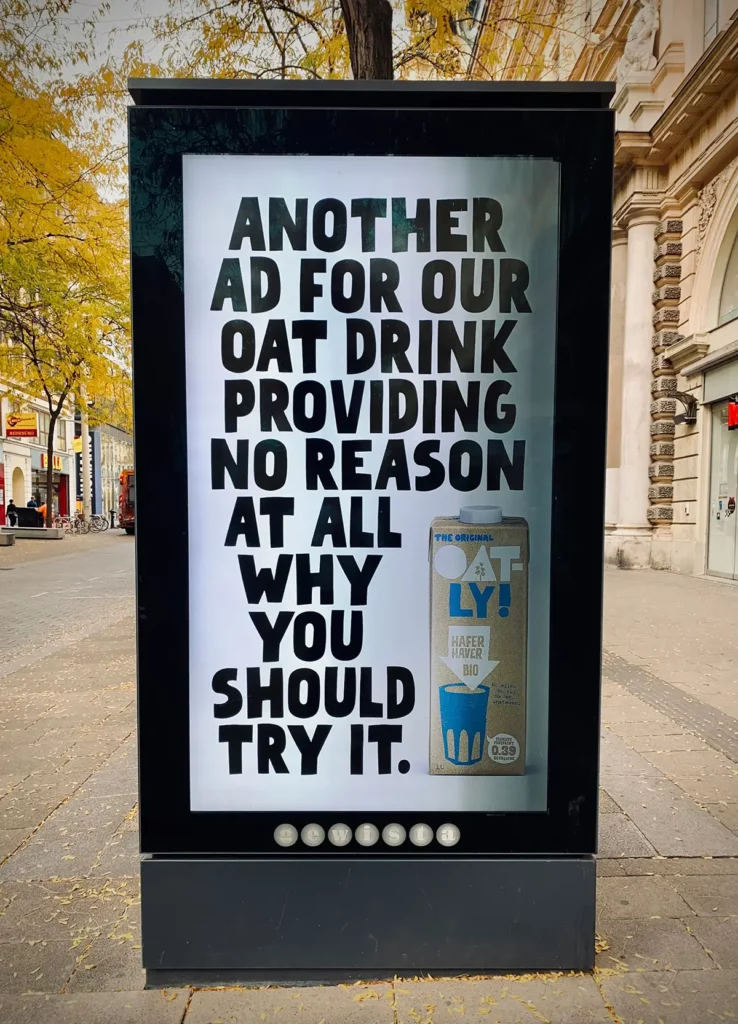
Ethical advertising means transparency and accuracy in all marketing. Avoiding hype and misleading claims and making sure all product claims match the product capability builds trust with consumers. Clear and simple comms means credibility and no misunderstandings and a better customer experience.
#2 Protecting Customer Privacy
Respecting consumer privacy is key in ethical marketing. Implementing robust data protection, getting explicit consent for data collection and giving customers clear options to opt-out shows you respect their privacy rights. Transparent data handling not only builds trust but also minimises the risk of data breaches and regulatory penalties.
#3 Clear Communication
Clear and simple communication is the foundation of ethical marketing. Providing upfront information on product details, pricing, terms and conditions and any risks gives consumers the ability to make informed decisions. Avoiding technical jargon and complicated language makes it transparent and allows consumers to navigate transactions with confidence.
#4 Social Responsibility
Ethical marketing goes beyond transactions to include broader corporate responsibility. Being socially responsible through fair labour practices, environmental sustainability and community engagement resonates with consumers. Brands that embed ethics into their business practices not only inspire loyalty but also do good for society.
#5 Ethical Partnerships
Working with partners and suppliers who have similar ethics is key to maintaining brand integrity. Ethical practices throughout the supply chain minimises the risk of reputational damage from third-party actions. Transparent partnerships shows a brand’s commitment to ethical behaviour and builds trust across the entire ecosystem.
#6 Great Customer Service
Great customer service is the foundation of ethical marketing. Responding to consumer queries quickly, resolving complaints fairly and incorporating feedback into business means you are committed to customer satisfaction and ethical behaviour. Being responsive and accountable in customer interactions builds brand credibility and customer relationships for the long term.
#7 Continuous Improvement
Ethical marketing is an ongoing discipline that requires regular review and adaptation to new trends and regulations. Reviewing marketing practices, adhering to industry standards and being proactive means ethical benchmarks are met. Commitment to continuous improvement shows a brand is committed to the highest ethical standards and builds consumer trust.

Ethical Marketing for Long-Term Success
In an age where consumers demand more from the brands they support, ethical marketing is not just the right thing to do – it’s the smart thing to do. Embrace ethical marketing practices, and watch your business thrive in an environment of trust and respect.


