|
Getting your Trinity Audio player ready...
|
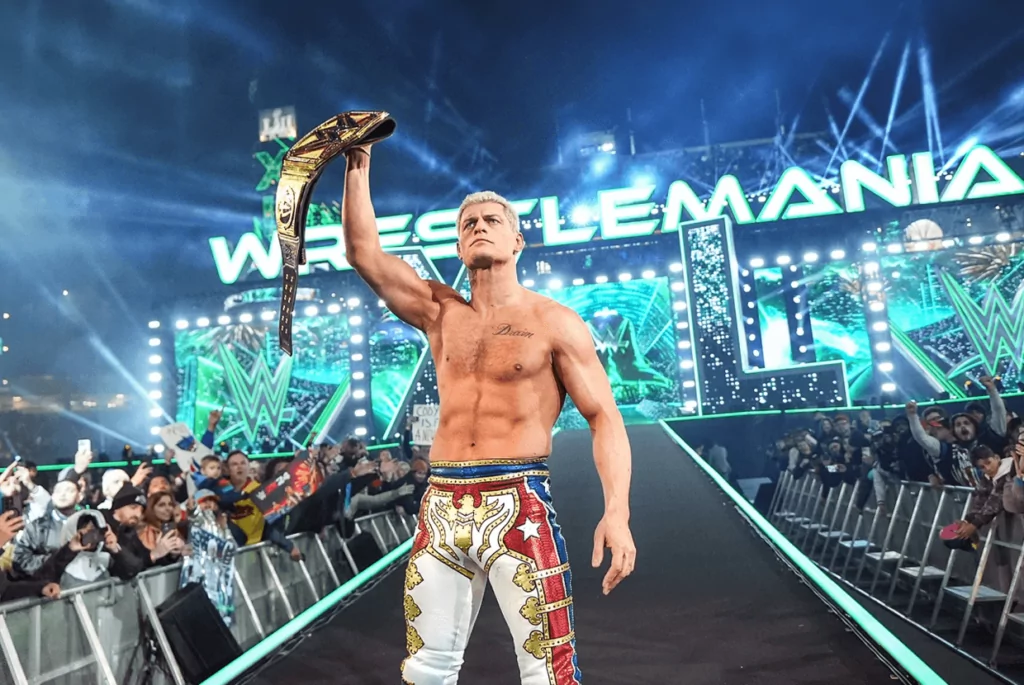
Wrestling, often viewed merely as a spectacle of choreographed athleticism, has permeated far beyond the confines of the ring. Impact of Wrestling on pop culture is profound, influencing various facets of mainstream media, including movies, television shows, music, and fashion. From the glitz and glamour of WrestleMania to the iconic personas of its wrestlers, the world of wrestling has left an indelible mark on the cultural landscape.
Wrestling and the Silver Screen: A Cinematic Legacy
Wrestling’s influence on movies is perhaps most evident in the transition of wrestlers into bona fide Hollywood stars. The most notable example is Dwayne “The Rock” Johnson. Johnson, who began his career as a professional wrestler, has become one of the highest-grossing actors in Hollywood. His roles in blockbuster franchises like “Fast & Furious” and “Jumanji” have cemented his status as a global superstar. His charisma and larger-than-life persona, honed in the wrestling ring, have translated seamlessly to the big screen, making him a household name.
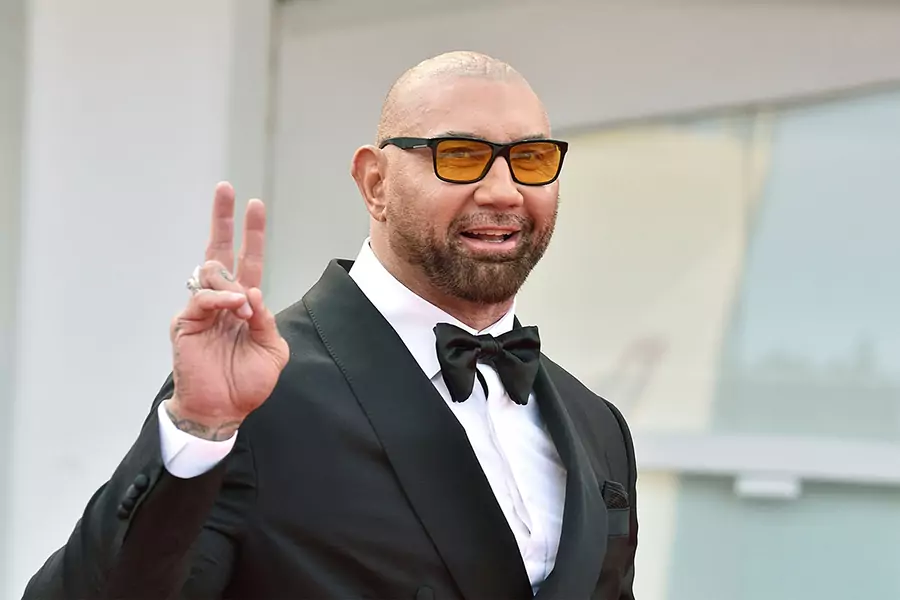
Other wrestlers have also made significant contributions to cinema. Hulk Hogan’s appearances in movies such as “Rocky III” and “Suburban Commando” in the 1980s and 1990s brought wrestling culture to a broader audience. More recently, Dave Bautista’s portrayal of Drax the Destroyer in the Marvel Cinematic Universe’s “Guardians of the Galaxy” series showcases the ongoing crossover appeal of wrestlers in Hollywood.
Television and Wrestling: A Symbiotic Relationship
Television has long been a primary medium for wrestling’s reach, with shows like WWE’s “Raw” and “SmackDown” drawing millions of viewers weekly. These shows have not only popularized wrestling but also influenced the format and content of reality TV. The success of WWE’s reality series “Total Divas” and “Miz & Mrs.” illustrates how wrestling personas can create engaging television outside the ring. These shows provide a behind-the-scenes look at the lives of wrestlers, blending reality TV’s appeal with the drama and excitement of professional wrestling.
Moreover, wrestling has left its mark on scripted television. Series like “GLOW,” which dramatizes the rise of the Gorgeous Ladies of Wrestling in the 1980s, and “Heels,” a drama about small-town wrestling promotions, highlight wrestling’s rich storytelling potential. These shows delve into the personal and professional struggles of wrestlers, bringing a nuanced portrayal of the sport to mainstream audiences.
The Soundtrack of Wrestling: Musical Influence
Wrestling’s impact on music is multifaceted, ranging from entrance themes that have become iconic to wrestlers’ forays into the music industry. Entrance music plays a crucial role in establishing a wrestler’s persona and energizing the audience. Songs like Hulk Hogan’s “Real American” and Stone Cold Steve Austin’s glass-shattering theme have become synonymous with their characters, enhancing their legendary status.
Wrestlers have also ventured into music, with varying degrees of success. Chris Jericho, the frontman of the rock band Fozzy, has achieved notable acclaim, blending his wrestling fame with musical talent. Similarly, John Cena’s rap album “You Can’t See Me” debuted in the Billboard Top 20, demonstrating the crossover appeal of wrestling stars in the music industry.
Fashion and Wrestling: A Visual Impact
The flamboyant and often outrageous fashion of wrestling has had a lasting influence on mainstream fashion trends. Wrestlers like “Macho Man” Randy Savage, with his brightly coloured outfits and oversized sunglasses, and Ric Flair, known for his luxurious robes and extravagant style, have set fashion statements that resonate beyond the ring. Their distinctive looks have inspired everything from streetwear to high fashion, with designers incorporating elements of wrestling attire into their collections.
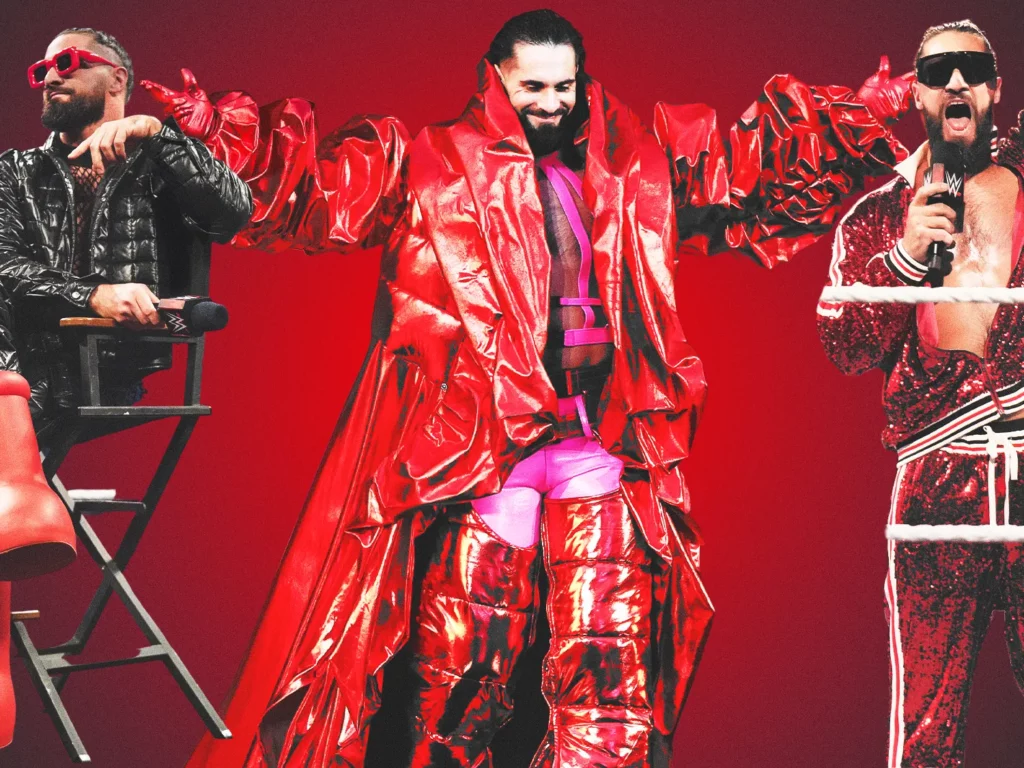
Moreover, the merchandizing of wrestling apparel has become a significant aspect of fan culture. WWE-branded clothing, from T-shirts to replica belts, allows fans to express their allegiance to their favourite wrestlers, blurring the lines between sports merchandise and fashion.
Wrestling’s Enduring Cultural Legacy
Wrestling’s impact on pop culture is undeniable. Its reach extends beyond the spectacle of the ring, influencing movies, television, music, and fashion. The larger-than-life personas of wrestlers, the dramatic storytelling, and the unique blend of athleticism and entertainment have left an indelible mark on mainstream media. As wrestling continues to evolve, its cultural influence will undoubtedly persist, shaping and reflecting the zeitgeist in ways both profound and entertaining.


