|
Getting your Trinity Audio player ready...
|
Immigration, a phenomenon as old as human civilization, has notably shaped the socio-economic and political landscapes of various nations. However, the policy frameworks that govern immigration vary extensively across countries. Let’s undertake an in-depth analysis of current immigration policies in a few representative countries, with a focus on border control, refugee crises, and proposed reforms.
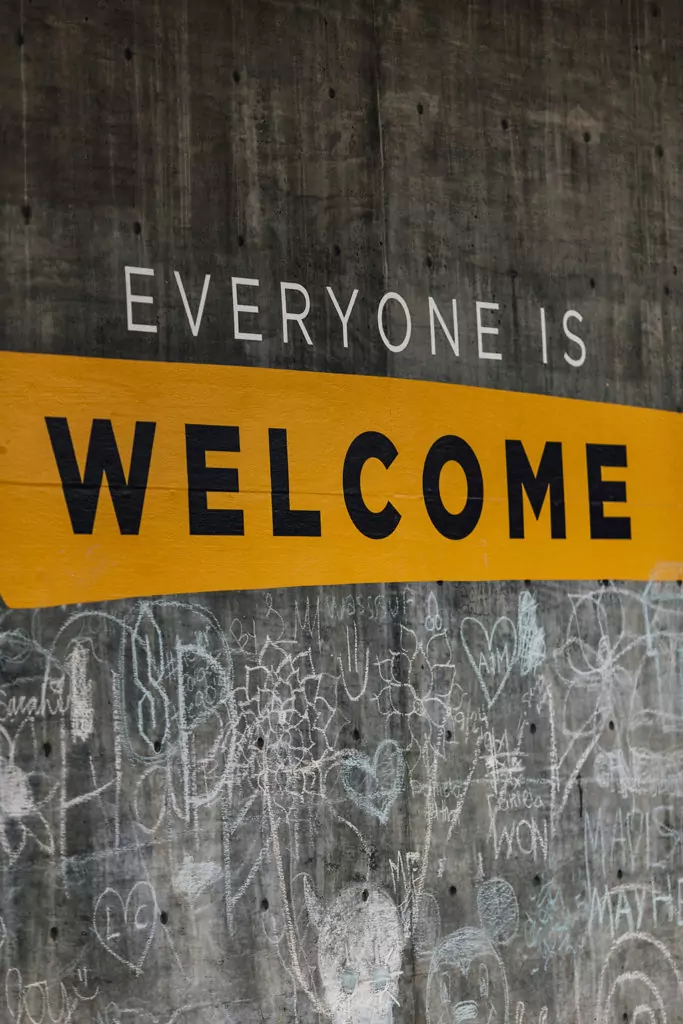
To begin with, let’s delve into the United States, a country historically known as a ‘nation of immigrants.’ The U.S. immigration policy is a complex web of priorities that includes family reunification, employment, and diversity. However, border control has been a contentious issue, particularly along the U.S.-Mexico border. The policy under the Trump administration for a ‘zero tolerance’ approach led to widespread criticisms due to the separation of families. The current Biden administration proposes a more humane approach, focusing on creating legal migration pathways and addressing root causes of migration in Central America.
On the other side of the Atlantic, the European Union grapples with its immigration conundrum. The Schengen Agreement, which abolished internal borders among 26 European countries, exemplifies the EU’s open-door policy. However, the 2015 refugee crisis, triggered by conflict in the Middle East, tested the EU’s solidarity, with some member countries resorting to erecting fences. The EU’s New Pact on Migration and Asylum, proposed in 2020, aims to balance responsibility and solidarity among member states while managing migration effectively.
In contrast, Australia’s immigration policy, characterized by its ‘Operation Sovereign Borders,’ is known for its strict border control. Deterring boat arrivals, mandatory detention, and offshore processing have been controversial but effective in curbing unauthorized arrivals. However, criticisms abound regarding the humanitarian aspect, prompting calls for policy reforms. The proposed reforms include the abolition of mandatory detention and a fairer refugee assessment process.
On the other end of the spectrum, Canada’s immigration policies are globally hailed for their emphasis on multiculturalism and economic growth. The country’s point-based system prioritizes skilled immigrants who can contribute to the economy. However, despite its open-door policy, the challenge lies in adequately addressing the refugee crisis. The proposed reforms include bolstering resources for refugee resettlement and expediting the asylum claim process.
Japan, known for its restrictive immigration policies, presents another perspective. Historically, Japan has been cautious about accepting foreign workers, as reflected in its strict border controls. However, the country’s ageing population and shrinking workforce led to the introduction of a new visa system in 2019, opening doors for semi-skilled foreign workers. This signals a potential shift in Japan’s immigration policy, though the country remains reticent about accepting refugees.
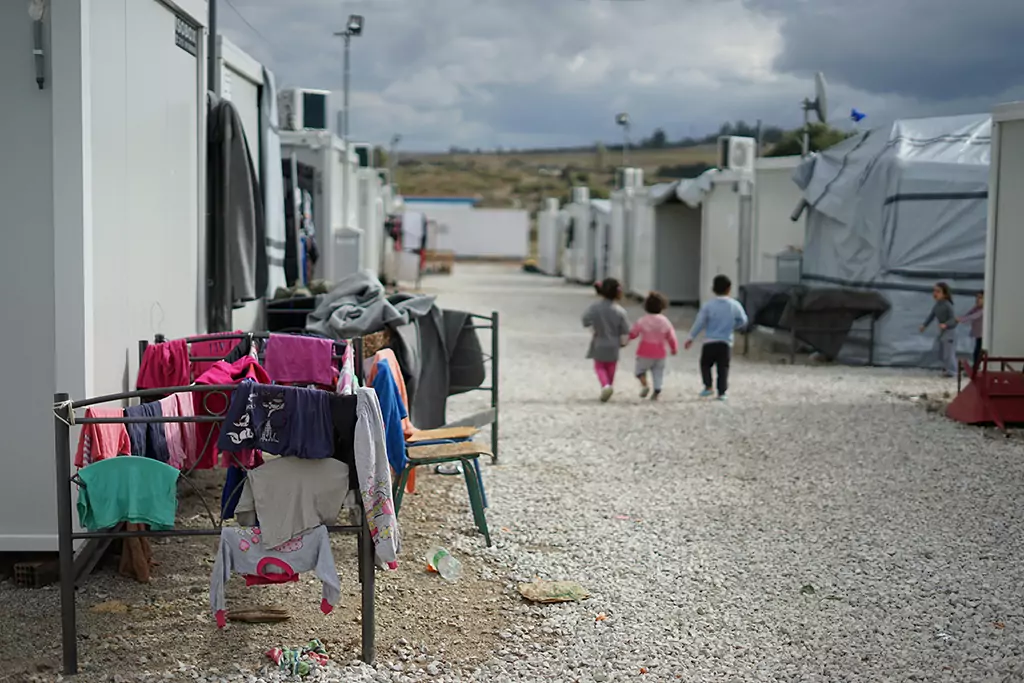
Lastly, let’s consider the case of the United Arab Emirates, where expatriates comprise nearly 90% of the population. Despite this, the UAE maintains strict immigration controls, with visas tied to employment. In light of the changing global socio-economic landscape, the UAE introduced reforms in 2020 that included retirement visas for expatriates and long-term visas for skilled professionals and students.
In sum, immigration policies are a reflection of a country’s socio-economic needs, security concerns, and humanitarian commitments. While border control is pivotal for national security, it must be balanced with humanitarian considerations, especially during refugee crises. The proposed reforms across various countries point toward the need for more efficient, inclusive, and humane immigration systems.
As the world becomes increasingly interconnected, the challenge lies in navigating the complexities of immigration policy to build societies that are secure, prosperous, and inclusive.


