|
Getting your Trinity Audio player ready...
|
Deadlifts, a staple in strength training routines, is lauded for its ability to build muscle, enhance strength, and improve overall physical performance. This compound movement engages multiple muscle groups, including the glutes, hamstrings, lower back, core, and forearms. Given its popularity and the myriad benefits attributed to it, a scientific evaluation of the deadlift exercise is essential to understand its efficacy, safety, and optimal execution.
Muscle Activation and Strength Gains
One of the key advantages of the deadlift is its ability to activate a wide range of muscles simultaneously. Studies have shown that the deadlift significantly engages the erector spine, gluteus maximus, and hamstrings. For instance, a study by Escamilla et al. (2002) found that the deadlift elicits higher muscle activation in these areas compared to other lower-body exercises. This high level of engagement contributes to substantial strength gains, particularly in the posterior chain, which is crucial for athletic performance and injury prevention.
Biomechanics and Technique
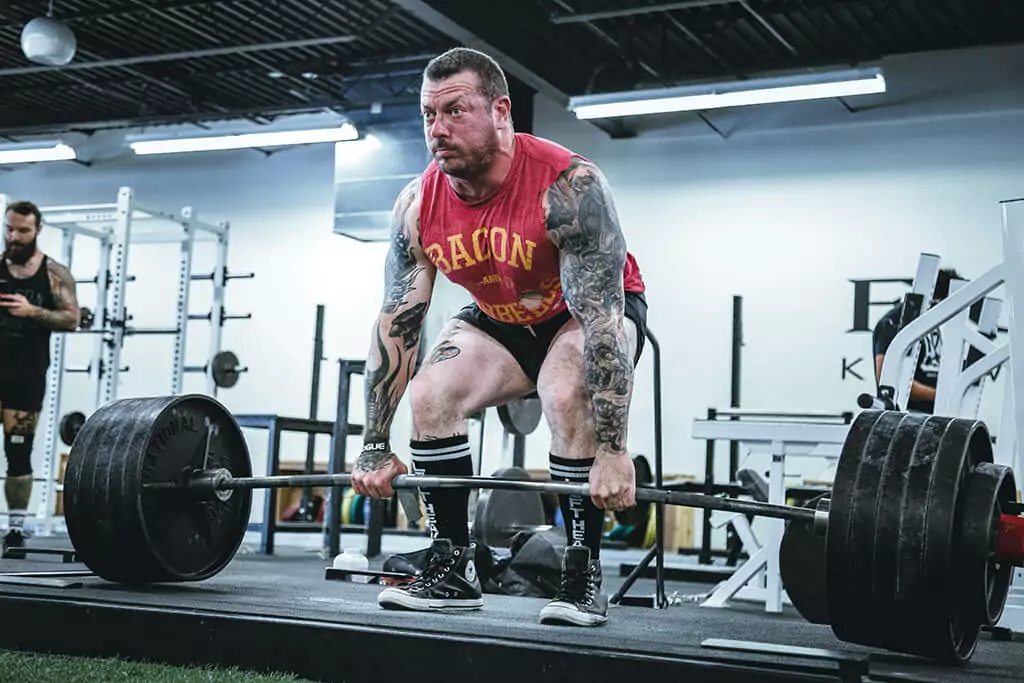
Proper form is critical in executing the deadlift to maximize benefits and minimize injury risk. The deadlift involves a hip hinge movement where the hips move backwards while maintaining a neutral spine. Research by Swinton et al. (2011) emphasizes the importance of maintaining a neutral spine to avoid excessive lumbar flexion, which can lead to lower back injuries. The study also highlights that a wider grip (as in the sumo deadlift) can reduce spinal loading, making it a safer alternative for individuals with lower back issues.
Variations and Adaptations
There are several variations of the deadlift, each offering unique benefits and targeting different muscle groups. The conventional deadlift focuses on the lower back and hamstrings, while the sumo deadlift, with a wider stance, emphasizes the quadriceps and reduces stress on the lower back.
The Romanian deadlift, another variation, specifically targets the hamstrings and glutes with minimal knee flexion. According to a study by Cholewa et al. (2018), incorporating different deadlift variations can lead to balanced muscle development and reduce the risk of overuse injuries.

Benefits Beyond Muscle Building
The deadlift’s benefits extend beyond muscle hypertrophy and strength gains. It also improves functional strength, which translates to better performance in daily activities and sports. The deadlift enhances core stability, grip strength, and overall body coordination. A study by McGill (2010) indicates that the deadlift can improve posture by strengthening the muscles that support the spine, thereby reducing the risk of musculoskeletal disorders.
Safety and Injury Prevention
Despite its benefits, the deadlift can pose a risk of injury if performed incorrectly. Common injuries associated with the deadlift include lower back strain, herniated discs, and hamstring tears. Proper warm-up, gradual progression in weight, and attention to form are crucial in preventing these injuries. A study by Hales et al. (2009) suggests that lifters should focus on maintaining a neutral spine, using a mixed grip or lifting straps to prevent grip fatigue, and incorporating recovery strategies to minimize injury risk.
The deadlift is a highly effective exercise that offers numerous benefits, including muscle hypertrophy, strength gains, improved functional performance, and enhanced posture. However, the complexity of the movement requires proper technique and awareness to avoid injuries. By understanding the biomechanics and variations of the deadlift, individuals can safely incorporate this powerful exercise into their training regimen and reap its full benefits.
References
- Cholewa, J. M., Newmire, D. E., & Zanchi, N. E. (2018). Carbohydrate restriction: friend or foe of resistance-based exercise performance? Nutrition & Metabolism, 15, 16.
- Escamilla, R. F., Francisco, A. C., Fleisig, G. S., Barrentine, S. W., Welch, C. M., Kayes, A. V., Speer, K. P., & Andrews, J. R. (2002). A three-dimensional biomechanical analysis of sumo and conventional style deadlifts. Medicine & Science in Sports & Exercise, 34(4), 682-688.
- Hales, M. E., Johnson, B. F., & Johnson, J. T. (2009). Kinematic analysis of the powerlifting style squat and the conventional deadlift during the competition: is there a crossover effect between lifts? Journal of Strength and Conditioning Research, 23(9), 2574-2580.
- McGill, S. M. (2010). Core training: Evidence translating to better performance and injury prevention. Strength and Conditioning Journal, 32(3), 33-46.
- Swinton, P. A., Lloyd, R., Keogh, J. W., Agouris, I., & Stewart, A. D. (2011). A biomechanical comparison of the traditional squat, powerlifting squat, and box squat. Journal of Strength and Conditioning Research, 26(7), 1805-1816.


