This Content Is Only For Subscribers
The Harmonious Blend of Fashion and Music.
Fashion and music are two distinct forms of art that have long been intertwined. They are cultural barometers, reflecting and influencing societal attitudes, trends, and shifts in our world. From the flamboyant costumes of Elvis Presley, and the punk rock aesthetic of the Sex Pistols, to Lady Gaga‘s avant-garde ensembles, the intersection of fashion and music is a fascinating territory to explore.
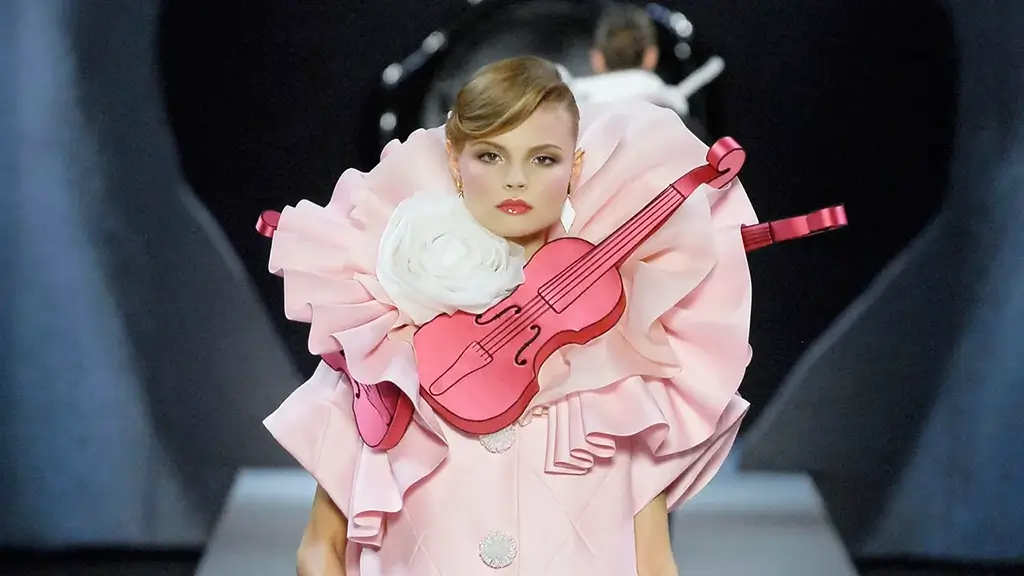
The symbiotic relationship between fashion and music dates back to the start of the 20th century when jazz musicians’ zoot suits symbolised rebellion against racial prejudice. This trend signified the first major instance where musicians’ fashion choices influenced public style and attitude. Since then, the intersection of these two industries has only grown more complex and influential.
In the 1950s and 60s, the rock ‘n’ roll era saw artists like Elvis Presley and The Beatles creating fashion trends with their edgy and unique style. The Beatles‘ mop-top haircuts and collarless suits became a global phenomenon, reflecting the youth’s desire for change and rebellion.
The late 70s and early 80s brought about the punk rock movement, characterized by its DIY ethos and a disdain for commercialism. Bands like the Sex Pistols and The Ramones popularized torn clothing, leather jackets, and band tees. This aesthetic, born out of music, significantly influenced the fashion industry, inspiring designers like Vivienne Westwood and Jean Paul Gaultier.
The 90s saw the rise of grunge and hip-hop, two genres that significantly impacted fashion. Kurt Cobain of Nirvana, with his unkempt hair, flannel shirts, and worn-out jeans, became an unintentional style icon, sparking the grunge fashion trend. Simultaneously, hip-hop artists like Tupac Shakur and Biggie Smalls popularized streetwear, oversized clothing, and sportswear brands like Fila and Adidas, influencing fashion trends into the 21st century.
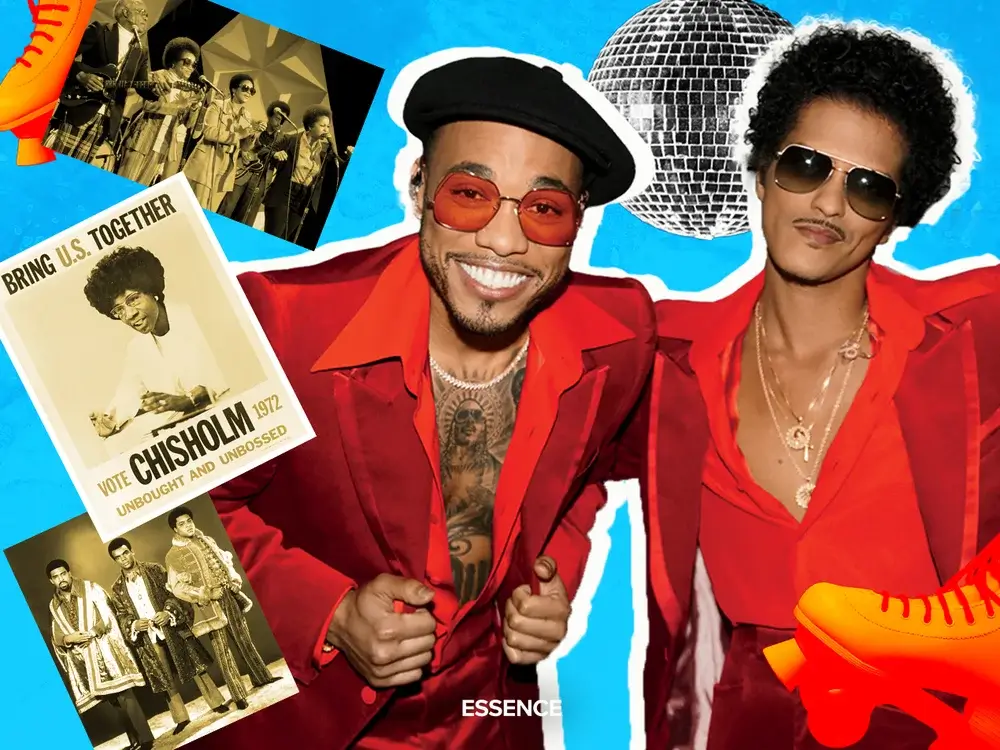
In today’s digital age, the relationship between fashion and music has evolved further. Pop stars like Lady Gaga, Rihanna, and Kanye West are not only musicians but also fashion influencers. Their avant-garde, daring, and unique style statements often spark trends and inspire fashion designers.
Kanye West’s Yeezy brand, a collaboration with Adidas, exemplifies the mutual influence between music and fashion. His minimalist design aesthetic has been embraced by the fashion industry and consumers alike, demonstrating how a musician can shape fashion trends.
Similarly, Rihanna’s Fenty brand, a partnership with luxury group LVMH, reflects her edgy and daring style. As a result, she has been able to influence the fashion industry, promoting inclusivity and diversity.
Music festivals like Coachella have also become significant fashion events. Attendees often dress in bohemian-inspired outfits, reflecting the festival’s free-spirited ethos. Designers and retailers take note, often releasing “festival fashion” lines inspired by Coachella’s sartorial trends.
The influence of music on fashion is not one-sided. Fashion also influences music, affecting an artist’s image and how they are perceived. Iconic fashion designers, such as Alexander McQueen, Yves Saint Laurent, and Gianni Versace, have created memorable stage outfits for musicians, enhancing their stage persona and contributing to the visual elements of their performances.
The intersection of fashion and music also has significant socio-cultural implications. It allows artists to express their identity, make political statements, and break societal norms. David Bowie and Madonna, for example, used fashion to challenge gender stereotypes, their daring outfits becoming as memorable as their music.
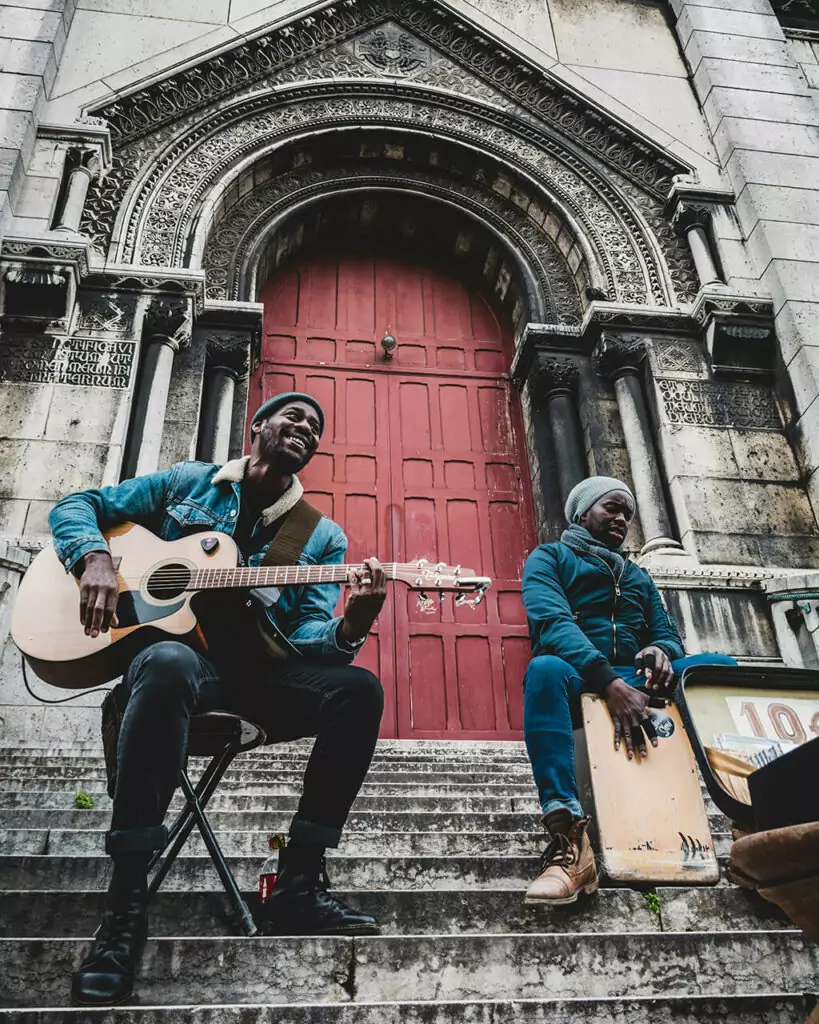
In conclusion, the intersection of fashion and music is a dynamic, reciprocal relationship that reflects societal trends and attitudes. It’s a relationship that goes beyond aesthetics, acting as a form of self-expression and a reflection of cultural shifts.
As we move forward, this intersection will continue to evolve, shaping and being shaped by societal changes. This symbiotic relationship between fashion and music demonstrates the power of art not only to mirror society but also to influence and drive it.


