|
Getting your Trinity Audio player ready...
|
Climate activism has become a global movement aimed at addressing the pressing issue of climate change. Activists worldwide are advocating for policies and practices that reduce carbon emissions, conserve natural resources, and promote sustainability. One surprising yet impactful arena for climate activism is the fashion industry.

As one of the largest polluters, the fashion industry has the potential to either exacerbate or alleviate environmental issues. This article explores how fashion is becoming a powerful tool in environmental advocacy and the various ways it is driving change.
Fashion Brands Leading the Way on Climate Activism
Several fashion brands are pioneering the movement towards sustainability, setting examples for the rest of the industry. Patagonia, for instance, has long been committed to environmental responsibility. The brand uses recycled materials, promotes fair labour practices, and donates a portion of its profits to environmental causes. Another notable example is Stella McCartney, a designer brand that eschews the use of leather and fur, opting instead for eco-friendly materials and sustainable production processes.
Case Study: The Reformation
Reformation, a popular sustainable fashion brand, implements innovative practices to minimize its environmental footprint. The brand tracks its carbon emissions, water usage, and waste, publishing these metrics in its quarterly sustainability reports. Their “RefScale” tool transparently shows customers the environmental impact of each garment, promoting informed and conscious consumer choices.
Influential Figures in Fashion and Climate Activism
Celebrities and influencers have a significant impact on public opinion and behaviour. Many high-profile figures in the fashion industry are using their platforms to advocate for sustainability. Emma Watson, known for her role in the Harry Potter series, is a vocal advocate for eco-friendly fashion. She frequently wears sustainable brands and promotes ethical fashion through her social media channels.
Impact of Influencers
Livia Firth, founder of Eco-Age and the Green Carpet Challenge, collaborates with designers to create sustainable red carpet outfits. Her efforts have not only raised awareness but also inspired designers and consumers to prioritize sustainability in fashion.
Consumer Power
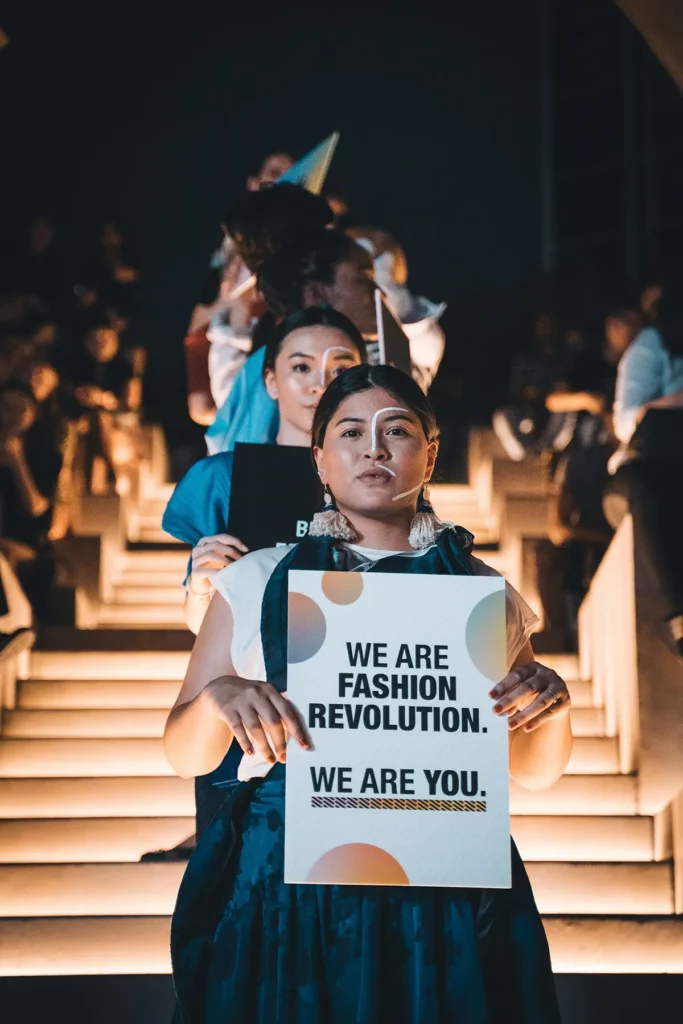
Consumers hold immense power in driving the fashion industry’s shift towards sustainability. By choosing to support brands that prioritize ethical and eco-friendly practices, consumers can signal a demand for more sustainable options. The rise of the slow fashion movement, which emphasizes quality over quantity and promotes mindful consumption, is a testament to this power.
Supporting Sustainable Brands
Supporting brands like Everlane, known for its transparent pricing and ethical production, encourages more companies to adopt similar practices. By making informed purchasing decisions and advocating for sustainability, consumers can help reduce the environmental impact of fashion.
Challenges and Future Directions
Despite the progress, there are significant barriers to the widespread adoption of sustainable practices in fashion. High production costs, limited availability of sustainable materials, and resistance to change within the industry are notable challenges. However, innovations such as fabrication, where materials are grown rather than manufactured, and advancements in recycling technologies offer promising solutions.
Potential Future Developments
The future of sustainable fashion lies in continued innovation and collaboration. Initiatives like the Ellen MacArthur Foundation’s Circular Economy for Fashion project aim to redesign the fashion industry to eliminate waste and make the most of resources. Such efforts are crucial in overcoming current challenges and achieving a more sustainable future.
Fashion plays a pivotal role in climate activism, with brands, influencers, and consumers collectively driving the movement towards sustainability. By supporting eco-friendly practices and advocating for systemic change, the fashion industry can significantly reduce its environmental impact. As we look to the future, it is essential to continue fostering innovation and encouraging participation in sustainable fashion initiatives.
Together, we can ensure that fashion becomes a force for positive change in the fight against climate change.


