|
Getting your Trinity Audio player ready...
|
Fitness and exercise is a lifelong pursuit that offers myriad benefits at every stage of life. However, the optimal fitness regimen varies significantly across different age groups due to changes in physical capabilities, health considerations, and lifestyle priorities. This comprehensive guide outlines tailored fitness regimens for children, teenagers, adults, and seniors, ensuring that individuals can maintain their health and vitality throughout their lives.
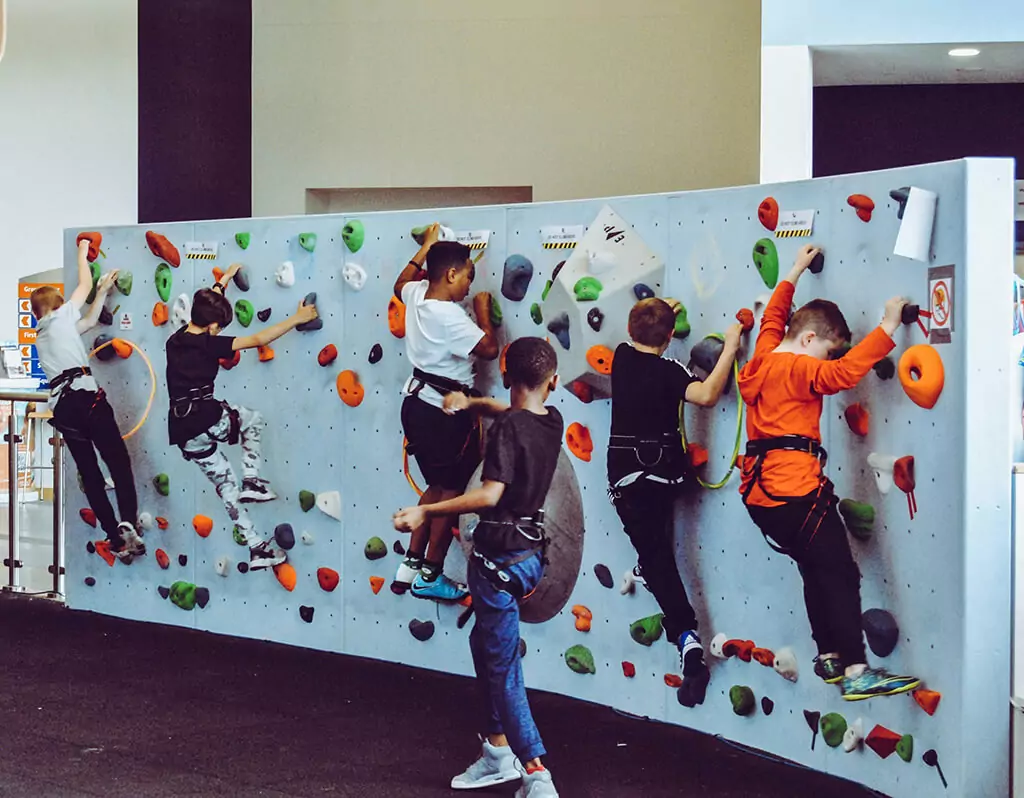
Fitness Regimens for Children (Ages 5-12)
Goals:
- Develop basic motor skills
- Promote a love for physical activity
- Enhance social skills and teamwork
Key Activities:
- Play-Based Exercise: Incorporate fun activities such as tag, hopscotch, and obstacle courses that keep children engaged and active.
- Sports: Encourage participation in team sports like soccer, basketball, or swimming to improve coordination, endurance, and social interaction.
- Strength Training: Light bodyweight exercises such as push-ups, sit-ups, and squats are beneficial for building strength without overloading developing muscles and joints.
- Flexibility and Balance: Activities like gymnastics, yoga, or simple stretching exercises can enhance flexibility and balance.
Recommendations:
- At least 60 minutes of moderate to vigorous physical activity daily.
- Activities should be age-appropriate, enjoyable, and varied to maintain interest.
Fitness Regimens for Teenagers (Ages 13-19)
Goals:
- Build strength and endurance
- Enhance athletic performance
- Foster lifelong fitness habits
Key Activities:
- Aerobic Exercise: Engage in running, cycling, swimming, or other cardiovascular activities to improve heart and lung health.
- Strength Training: Incorporate resistance training with free weights, machines, or bodyweight exercises. Focus on proper technique to avoid injuries.
- Sports and Recreational Activities: Continued participation in sports helps develop skills, discipline, and teamwork.
- Flexibility and Mobility: Regular stretching or yoga can help maintain flexibility and prevent injuries.
Recommendations:
- At least 60 minutes of moderate to vigorous physical activity daily.
- Include a variety of aerobic, muscle-strengthening, and bone-strengthening activities.

Fitness Regimens for Adults (Ages 20-64)
Goals:
- Maintain overall health and fitness
- Prevent chronic diseases
- Enhance mental well-being
Key Activities:
- Aerobic Exercise: Aim for at least 150 minutes of moderate-intensity or 75 minutes of high-intensity aerobic activity per week. Examples include brisk walking, jogging, cycling, and swimming.
- Strength Training: Perform muscle-strengthening activities on two or more days per week. Include exercises that work all major muscle groups (legs, hips, back, abdomen, chest, shoulders, and arms).
- Flexibility and Balance: Incorporate stretching exercises or yoga at least twice a week to enhance flexibility and balance.
- Functional Fitness: Activities that mimic everyday tasks, such as squatting, lifting, and reaching, can improve daily functioning and prevent injuries.
Recommendations:
- Spread aerobic activity throughout the week for maximum benefit.
- Include a mix of cardiovascular, strength, flexibility, and balance exercises.

Fitness Regimens for Seniors (Ages 65+)
Goals:
- Maintain independence and mobility
- Improve balance and prevent falls
- Manage chronic conditions
Key Activities:
- Aerobic Exercise: Engage in at least 150 minutes of moderate-intensity aerobic activity per week, such as walking, swimming, or cycling. For those who can handle it, more vigorous activities can be beneficial.
- Strength Training: Incorporate muscle-strengthening activities at least two days per week, focusing on all major muscle groups. Use lighter weights or resistance bands and emphasize proper form.
- Balance and Coordination: Activities like tai chi, yoga, or balance-specific exercises (e.g., standing on one foot) can reduce the risk of falls.
- Flexibility: Stretching exercises or yoga can help maintain flexibility and range of motion.
Recommendations:
- Be mindful of any health conditions and adjust the intensity and type of exercise accordingly.
- Consult with healthcare providers before starting new fitness programs, especially if managing chronic conditions or recovering from injuries.

General Tips for All Age Groups
- Consistency is Key: Regular physical activity is crucial for maintaining health and achieving fitness goals.
- Listen to Your Body: Pay attention to how your body responds to different exercises and adjust accordingly to avoid overtraining or injury.
- Stay Hydrated and Eat Well: Proper nutrition and hydration support overall health and enhance workout performance.
- Rest and Recovery: Allow time for rest and recovery to prevent burnout and injuries.
By tailoring fitness regimens to the unique needs of each age group, individuals can maximize the benefits of physical activity and maintain a healthy, active lifestyle throughout their lives.


