|
Getting your Trinity Audio player ready...
|
Foreign policy and diplomacy constitute the backbone of international relations, shaping how nations interact with each other and navigate the complex global landscape.
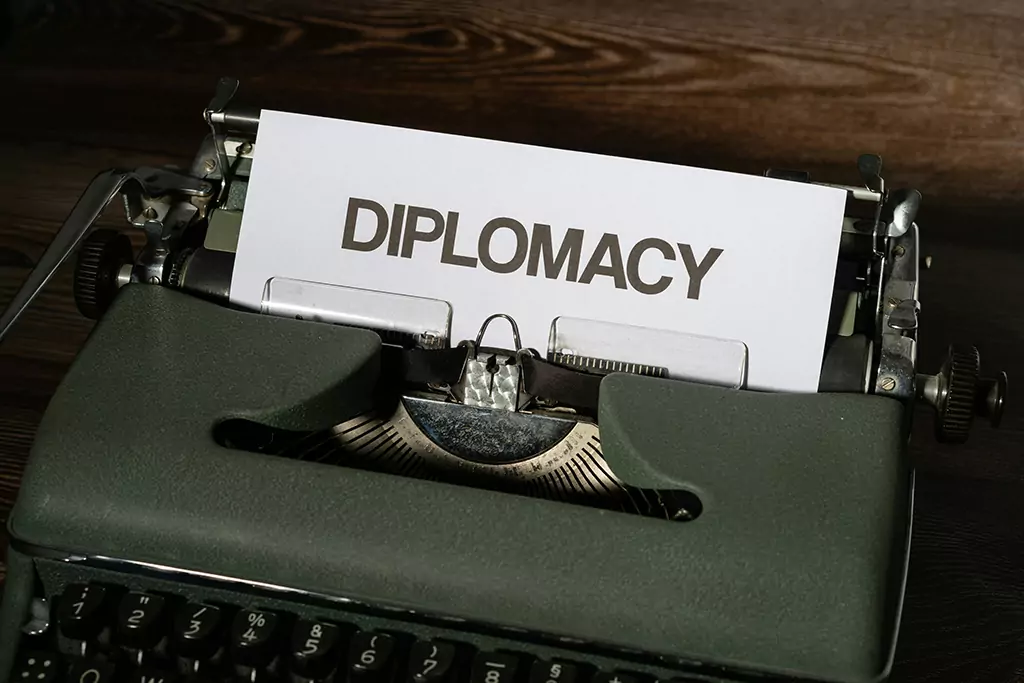
We delve into how different administrations handle foreign relations, international conflicts, and diplomacy. We also discuss trade agreements, peace treaties, and international alliances as integral parts of the diplomatic equation.
Understanding Foreign Policy and Diplomacy
Foreign policy is a strategy outlined by a nation to safeguard its national interests, and diplomacy is the art of implementing this strategy through negotiation and dialogue. Each administration’s approach to these facets of international relations varies, reflecting their ideological stance, domestic politics, and international dynamics.
Different Administrations and Their Approaches
The Realist Approach: An administration adopting a realist approach prioritizes national interests above all. A prime example of this is the Nixon administration (1969-1974), which pursued a policy of détente during the Cold War, easing tensions with the Soviet Union and opening relations with China, thus demonstrating a pragmatic approach to international politics.
The Liberal Approach: Administrations favouring liberalism prioritize international cooperation and shared values. President Obama’s administration (2009-2017) embodied this approach, particularly through the Iran Nuclear Deal and the Paris Agreement, both emphasizing negotiation, cooperation, and mutual benefit.
The Neo-Conservative Approach
Some administrations, such as George W. Bush‘s (2001-2009), adopted an assertive stance in promoting democracy and human rights worldwide, often through military intervention. The Iraq war is a testament to this approach.
International Conflicts, Trade Agreements, and Alliances
International conflicts, trade agreements, and alliances all fall under the umbrella of diplomacy and reflect the approach of the incumbent administration.
International Conflicts
These are often the litmus test for an administration’s foreign policy. For instance, the Trump administration‘s (2017-2021) ‘maximum pressure’ strategy against North Korea aimed to denuclearize the Korean peninsula, reflecting a hardline stance.
Trade Agreements
These are key diplomatic tools to foster economic alliances and promote mutual growth. The NAFTA agreement under the Clinton administration (1993-2001) aimed to bolster regional integration and economic cooperation.
International Alliances
These are strategic partnerships formed to address common threats or mutual interests. The formation of NATO during the Truman administration (1945-1953) aimed to counterbalance the Soviet Union’s power during the Cold War, emphasizing collective security.
Foreign policy and diplomacy are dynamic, evolving with the administration in power and the shifting international landscape. As we move forward, it is essential to understand that the effectiveness of any approach depends on its flexibility, strategic foresight, and ability to adapt to changing circumstances. Whether realist, liberal, or neo-conservative, all these approaches have their merits and pitfalls. The key lies in striking a balance that serves national interests while promoting global peace and stability.


