|
Getting your Trinity Audio player ready...
|
In a world where time is of the essence, finding a workout that gives you maximum results in minimum time is a dream come true for many fitness enthusiasts. High-Intensity Interval Training (HIIT) has become super popular because it does just that. It’s an exercise method that involves alternating between high-intensity and fixed periods of low-intensity or rest.
But what is HIIT and why does it work? In this article, we’ll get into the science behind HIIT, the benefits and some exercises you can add to your fitness routine.
What is HIIT?
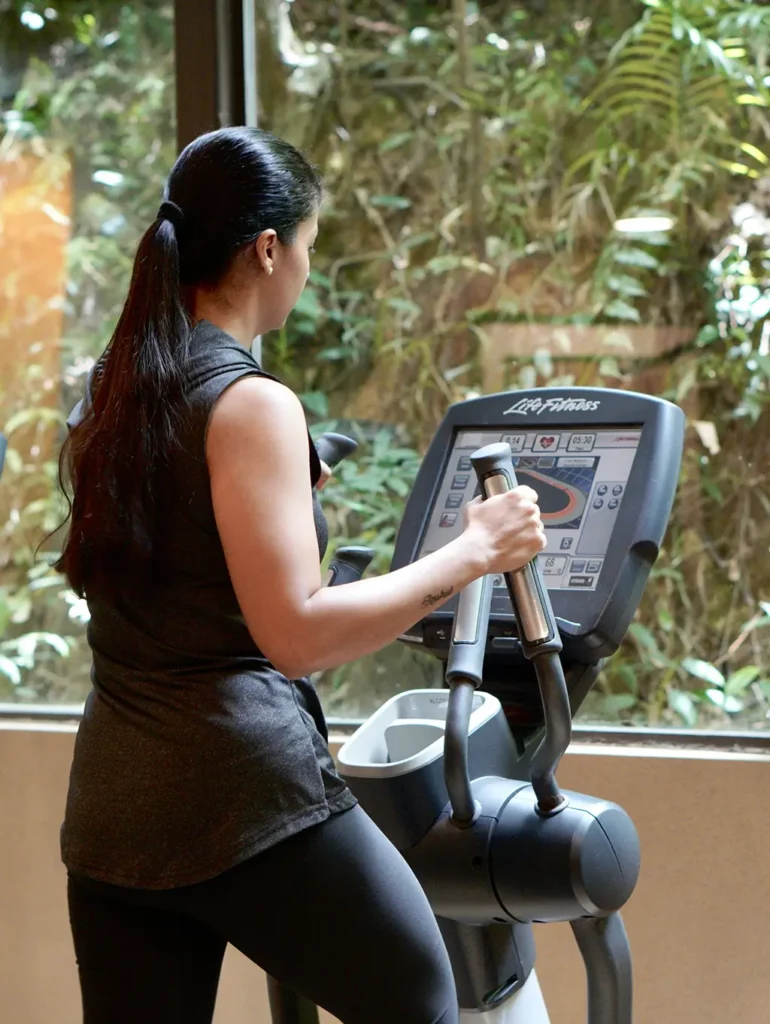
HIIT, or High-Intensity Interval Training, is a form of cardio exercise that involves short bursts of anaerobic exercise followed by periods of rest or low intensity. The work intervals can be 20 seconds to several minutes long, followed by a period of rest or low intensity of similar duration. HIIT can be done with bodyweight exercises, weights or machines like treadmills and stationary bikes.
HIIT is efficient. In 20-30 minutes you can burn as many calories as you would in a much longer steady state cardio session (like jogging or cycling at a constant pace). This makes HIIT perfect for those who want to get the most out of their workout in the shortest time.
The Science Behind HIIT
During the high-intensity intervals, your heart rate spikes and your body is pushed to near maximum capacity. In the recovery phase, your heart rate lowers but the metabolism stays high. This creates what’s known as the “afterburn effect” or excess post-exercise oxygen consumption (EPOC) where your body continues to burn calories after the workout is finished. This metabolic boost can last for hours after exercise.

HIIT works both aerobic and anaerobic energy systems. The anaerobic phase forces your muscles to generate energy without oxygen and produces lactate. In the aerobic recovery phase, oxygen is replenished and lactate is broken down. This constant switch between the two systems improves cardiovascular health, fat oxidation and muscle endurance.
Benefits of HIIT
Time Efficient
- HIIT workouts can be done in 20 minutes or less. Yes, in 20 minutes or less, you can get similar or better results than a traditional cardio workout.
Burns Fat Faster
- HIIT is great for fat loss. The high-intensity bursts burn calories and stimulate fat loss hours after the workout. Studies have shown HIIT can increase fat oxidation and improve metabolic health in a short period.
Cardiovascular Health
- HIIT increases heart rate and blood flow which can improve cardiovascular health. Research shows that even a few weeks of HIIT can result in significant improvements in VO2 max (the amount of oxygen your body can use during exercise) and overall cardiovascular endurance.
Muscle Retention
- Traditional cardio can sometimes result in muscle loss along with fat, HIIT has been shown to burn fat while preserving lean muscle mass. The short high intensity bursts of activity engage muscle fibers in a way that helps maintain strength and size.
Metabolic Rate
- The afterburn effect of HIIT means your body will continue to burn calories after the workout. This increased metabolic rate helps with fat loss and weight management.
Endurance and Strength
- Because HIIT pushes your body to work at maximum capacity during the high-intensity intervals it helps build endurance and strength. Over time you’ll be able to work harder and longer without getting fatigued.
Insulin Sensitivity
- HIIT has been shown to improve insulin sensitivity which means your body uses glucose more efficiently. This can reduce the risk of type 2 diabetes and overall metabolic health.
No Equipment
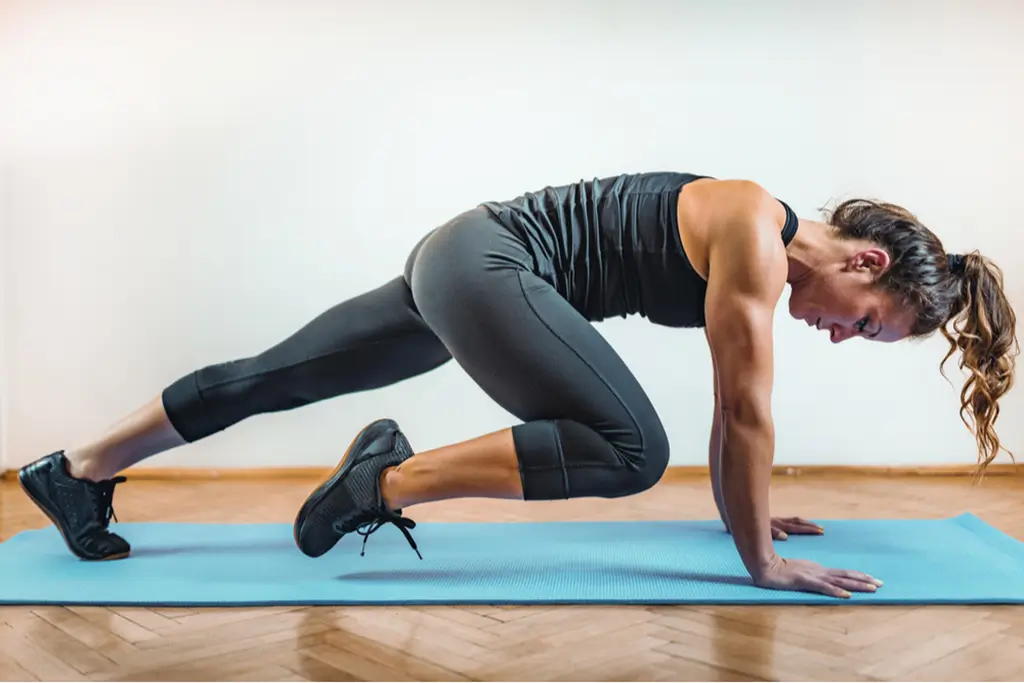
- One of the best things about HIIT is that it can be done with little to no equipment. Exercises like sprints, jumping jacks, burpees and mountain climbers require only your body weight so HIIT is accessible to everyone.
HIIT Exercises and Routine
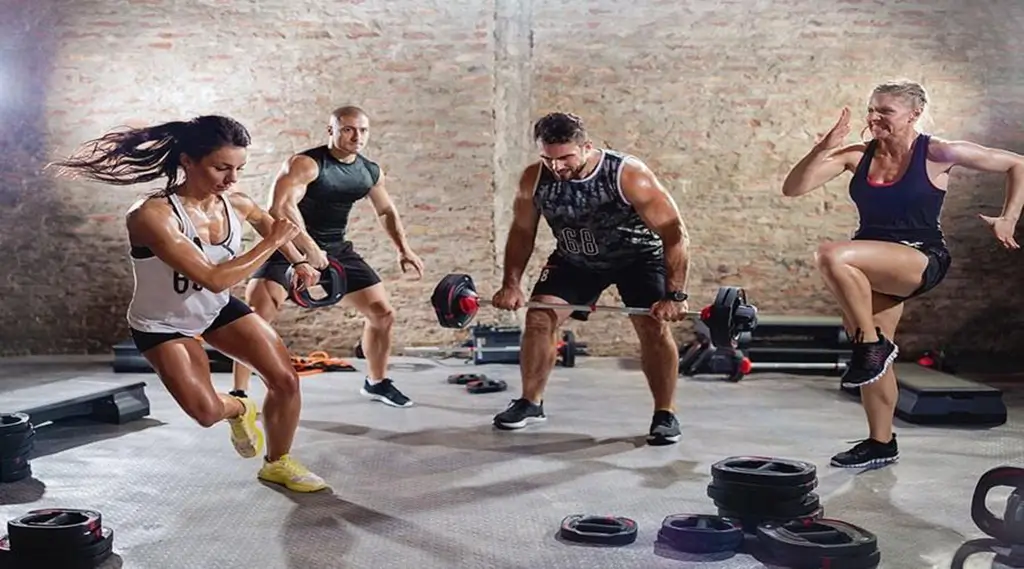
Below is a 20-minute HIIT workout that can be done with no equipment. Do each exercise at maximum effort for 30 seconds, rest for 30 seconds. Repeat the circuit 4 times for a full body burn.
1. Jump Squats
- How to: Stand with feet shoulder-width apart, squat down and jump up. Land softly back into a squat and repeat.
- 30 seconds on, 30 seconds off
2. Push-Ups
- How to: Start in a plank position with hands under shoulders. Lower your chest to the ground and push back up to the top.
- 30 seconds on, 30 seconds off
3. High Knees
- How to: Stand tall and run in place, bring knees up to waist height as fast as you can.
- 30 seconds on, 30 seconds off
4. Burpees
- How to: From standing position drop down into a squat, kick your feet back into a plank position, do a push-up, bring your feet back to your hands and jump up.
- 30 seconds on, 30 seconds off
5. Mountain Climbers
- How to: Start in a plank position, alternate bringing your knees towards your chest in a running motion while keeping your core engaged.
- 30 seconds on, 30 seconds off
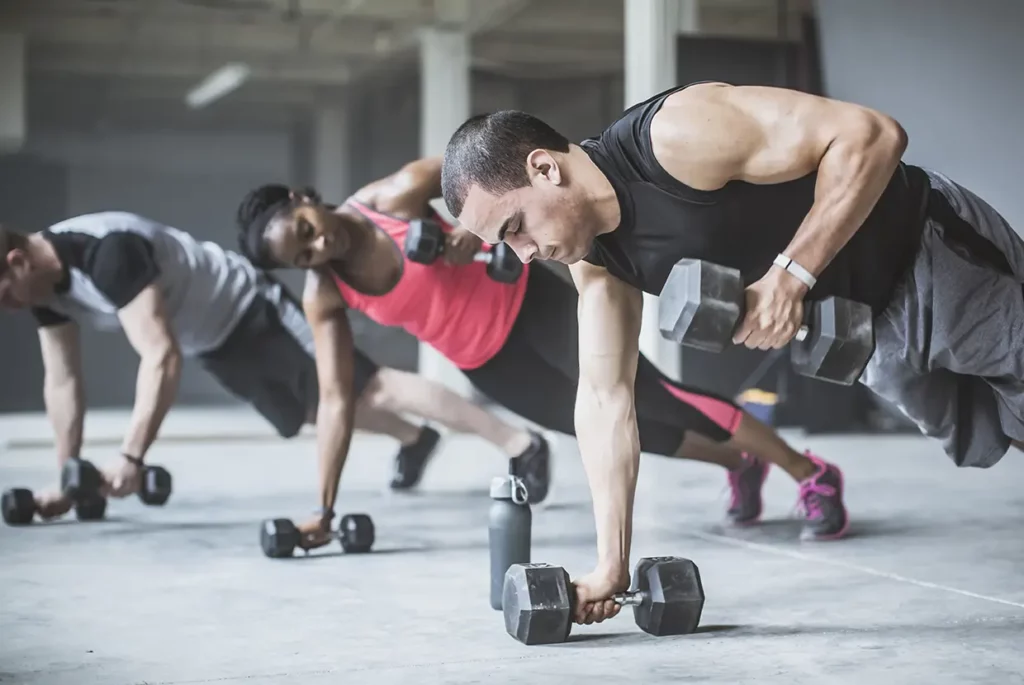
6. Plank to Push-Up
- How to: Start in a forearm plank, push up into a full plank (push-up position) one arm at a time. Lower back down to a forearm plank and repeat.
- 30 seconds on, 30 seconds off
7. Lunges
- How to: Step one leg forward into a lunge position, lower your body until both knees are bent at 90 degrees and push back up to the top. Alternate legs with each rep.
- 30 seconds on, 30 seconds off
8. Bicycle Crunches
- How to: Lie on your back with hands behind your head and legs in a tabletop position. Bring your opposite elbow to your opposite knee in a twisting motion while extending the other leg. Alternate sides.
- 30 seconds on, 30 seconds off
Customizing HIIT to Your Fitness Level
HIIT can be modified to any fitness level. Beginners can start with fewer intervals and longer rest periods (e.g. 20 seconds of work, 40 seconds of rest).
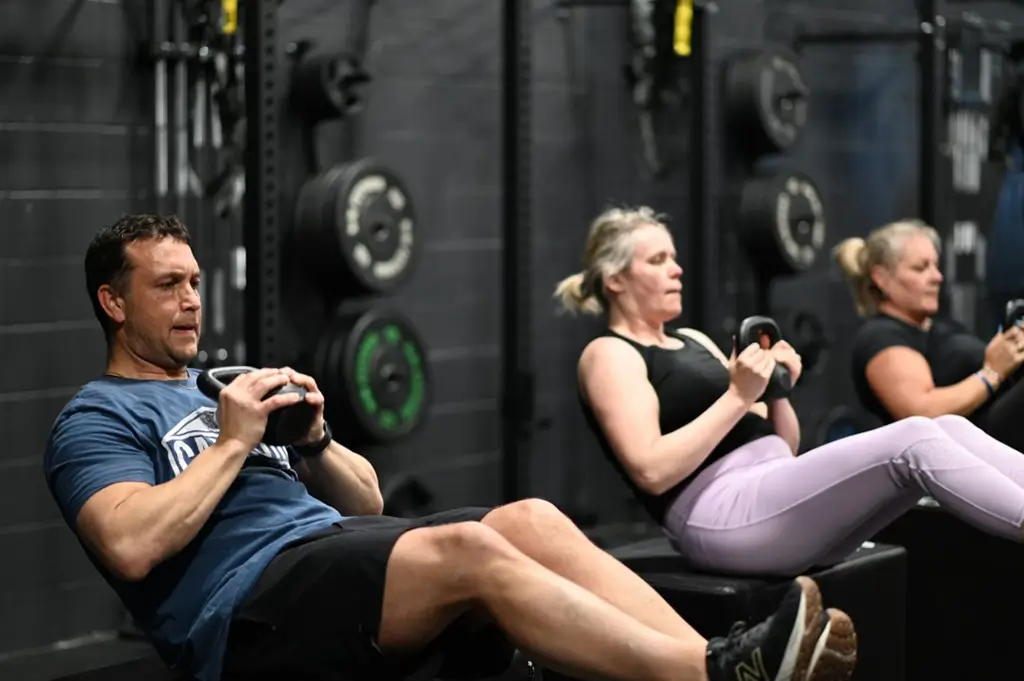
As you get fitter you can increase the intervals and decrease the rest. Advanced athletes can add weight or increase the complexity of the exercises.
High-Intensity Interval Training (HIIT) is a great tool for overall fitness, fat loss and cardiovascular health all in a time-efficient package. Whether you want to lose weight, gain endurance or just make the most of a short workout window, HIIT is the answer. Its flexibility and quick results make it suitable for beginners and advanced athletes.
Try HIIT today and get the benefits of this fast and furious workout!


