|
Getting your Trinity Audio player ready...
|
In the bustling whirlwind of modern life, our mental well-being often takes a backseat to the demands of work, family, and social obligations. Yet, just as we prioritize our physical health, it’s essential to recognize the profound significance of mental health awareness. This awareness encompasses not only understanding the complexities of mental health conditions but also embracing strategies to foster resilience and support for those navigating their mental health journeys.

World Mental Health Day, observed on October 10th each year, aims to raise awareness about mental health issues around the world and mobilize efforts in support of mental health. Established by the World Federation for Mental Health in 1992, the day provides an opportunity for all stakeholders working on mental health issues to talk about their work and what more needs to be done to make mental health care a reality for people worldwide. It highlights the importance of mental health as a crucial part of overall well-being and encourages open conversations to reduce stigma and promote mental health initiatives.
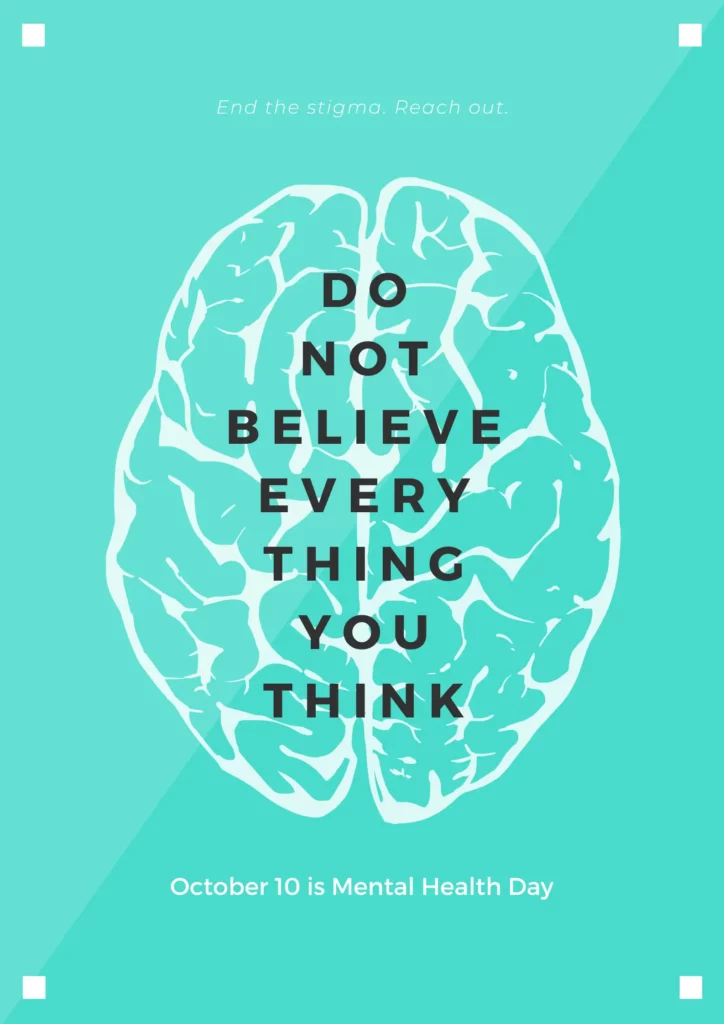
The Importance of Mental Health Awareness
First and foremost, mental health awareness serves as a beacon of light in dispelling the shadows of stigma and misinformation surrounding mental illnesses. It cultivates empathy, understanding, and acceptance, paving the way for individuals to seek help without fear of judgment or discrimination. By acknowledging the prevalence of mental health challenges and normalizing discussions around them, we create a culture of openness and compassion, where people feel empowered to share their struggles and seek the support they deserve.
"My anxious thoughts do not define me."
— MentalHappy (@MentalHappy) April 15, 2022
Furthermore, mental health awareness is integral to early intervention and prevention. By recognizing the signs and symptoms of mental health conditions, individuals can proactively seek assistance before their challenges escalate into crises. This proactive approach not only improves individual outcomes but also reduces the burden on healthcare systems and society at large.
Coping Strategies and Destigmatization Efforts
In the realm of coping strategies, mindfulness, resilience-building exercises, and therapy are invaluable tools for nurturing mental well-being. Mindfulness practices, such as meditation and deep breathing exercises, enable individuals to cultivate present-moment awareness and develop resilience in the face of stressors. Additionally, cognitive-behavioural therapy equips individuals with practical skills to reframe negative thought patterns and cultivate healthier coping mechanisms.
Destigmatization efforts, meanwhile, encompass a multifaceted approach that involves education, advocacy, and representation. Educational initiatives aim to debunk myths surrounding mental health and provide accurate information about various conditions. Advocacy efforts seek to challenge discriminatory practices and promote policies that prioritize mental health parity. Representation, whether in media portrayals or everyday conversations, plays a pivotal role in humanizing mental health experiences and fostering empathy and understanding.
The Impact of Technology on Mental Well-being
In an era dominated by digital connectivity, technology wields both the power to uplift and the potential to exacerbate mental health challenges. On one hand, online platforms provide unprecedented access to mental health resources, support communities, and teletherapy services, breaking down barriers to care and reaching individuals in remote or underserved areas.
Conversely, the pervasive nature of social media and digital devices can fuel feelings of inadequacy, comparison, and isolation, especially among vulnerable populations such as adolescents. The constant barrage of curated content and unrealistic standards can erode self-esteem and exacerbate anxiety and depression. Thus, it’s crucial to approach technology mindfully, balancing its benefits with proactive measures to mitigate its adverse effects on mental well-being.
In essence, mental health awareness is not merely a buzzword but a fundamental pillar of holistic well-being. By fostering understanding, compassion, and resilience, we can collectively dismantle the barriers that hinder individuals from seeking help and create a society where mental health is prioritized and celebrated. Through ongoing education, destigmatization efforts, and mindful engagement with technology, we can cultivate a world where every individual feels seen, heard, and supported on their journey toward mental wellness.


