|
Getting your Trinity Audio player ready...
|
In the ever-evolving landscape of finance and technology, few phenomena have captured the world’s attention quite like cryptocurrency and blockchain.
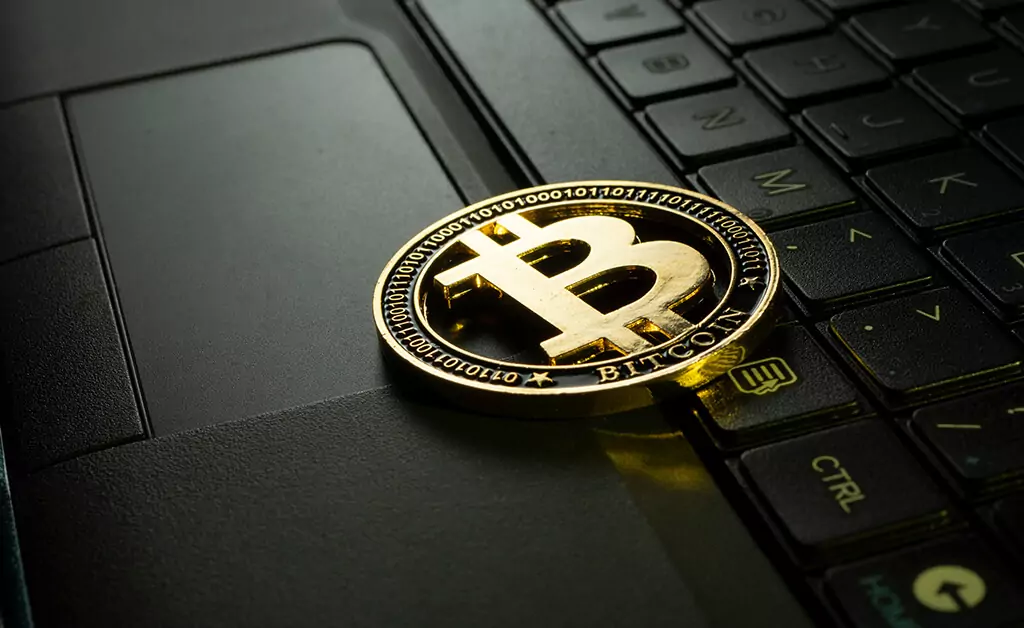
With each passing day, new trends emerge, promising innovations disrupt traditional models, and regulations attempt to keep pace with the rapid evolution. In this article, we’ll delve into the latest trends in cryptocurrency and blockchain, explore emerging blockchain projects, examine regulatory developments, and dissect the profound impact of Non-Fungible Tokens (NFTs) in the digital art world.
Trends in Cryptocurrency and Blockchain
Cryptocurrency continues to make headlines, with Bitcoin leading the charge as the poster child of digital assets. However, the landscape is far from stagnant. Altcoins, including Ethereum, Cardano, and Solana, are gaining momentum, offering unique features such as smart contracts, scalability, and interoperability. DeFi (Decentralized Finance) protocols reshape traditional financial services, enabling lending, borrowing, and trading without intermediaries. Moreover, the rise of DAOs (Decentralized Autonomous Organizations) exemplifies the growing trend towards decentralized governance and decision-making.
New Blockchain Projects
Blockchain technology extends beyond cryptocurrencies, with innovative projects exploring diverse applications across industries. From supply chain management to healthcare, real estate, and gaming, blockchain offers solutions for transparency, security, and efficiency. Projects like Polkadot, Avalanche, and Algorand are pushing the boundaries of scalability and interoperability, aiming to address the limitations of earlier blockchain platforms. Additionally, Web3 initiatives envision a decentralized internet, where users have greater control over their data and digital interactions.
Regulatory Landscape
As the cryptocurrency market matures, regulators worldwide are grappling with balancing innovation with investor protection and financial stability. Some countries embrace cryptocurrencies, providing regulatory clarity and fostering innovation-friendly environments. Others approach with caution, implementing strict regulations or outright bans. Regulatory developments, such as the SEC’s scrutiny of crypto exchanges and stablecoin issuers, highlight the need for clear guidelines to navigate the evolving landscape. International cooperation and standardization efforts are crucial for fostering trust and ensuring the legitimacy of digital assets on a global scale.
The Impact of NFTs in the Digital Art World
Non-Fungible Tokens (NFTs) have emerged as a disruptive force in the art world, revolutionizing how we create, buy, and sell digital artworks. NFTs represent unique digital assets, often tied to digital art, music, collectables, or virtual real estate. The ability to prove ownership, authenticity, and scarcity through blockchain technology has unlocked new opportunities for artists, collectors, and investors alike. While some celebrate NFTs as a democratizing force, enabling artists to monetize their work directly and reach global audiences, others raise concerns about environmental impact, copyright issues, and market speculation.
Cryptocurrency and blockchain technology continue to redefine finance, commerce, and digital culture. From the proliferation of new blockchain projects to the regulatory scrutiny of digital assets and the transformative power of NFTs in the art world, the pace of innovation shows no signs of slowing down. As stakeholders navigate this complex landscape, collaboration, education, and responsible innovation are key to unlocking the full potential of cryptocurrency and blockchain for a more inclusive, transparent, and decentralized future.


