|
Getting your Trinity Audio player ready...
|
In an increasingly interconnected world where consumer choices reverberate globally, the ethical dilemmas surrounding purchasing Chinese products persist, notably amidst child labour concerns. The allure of affordable goods coupled with China’s manufacturing prowess often compels consumers to grapple with their conscience when faced with evidence of child labour in the supply chain.

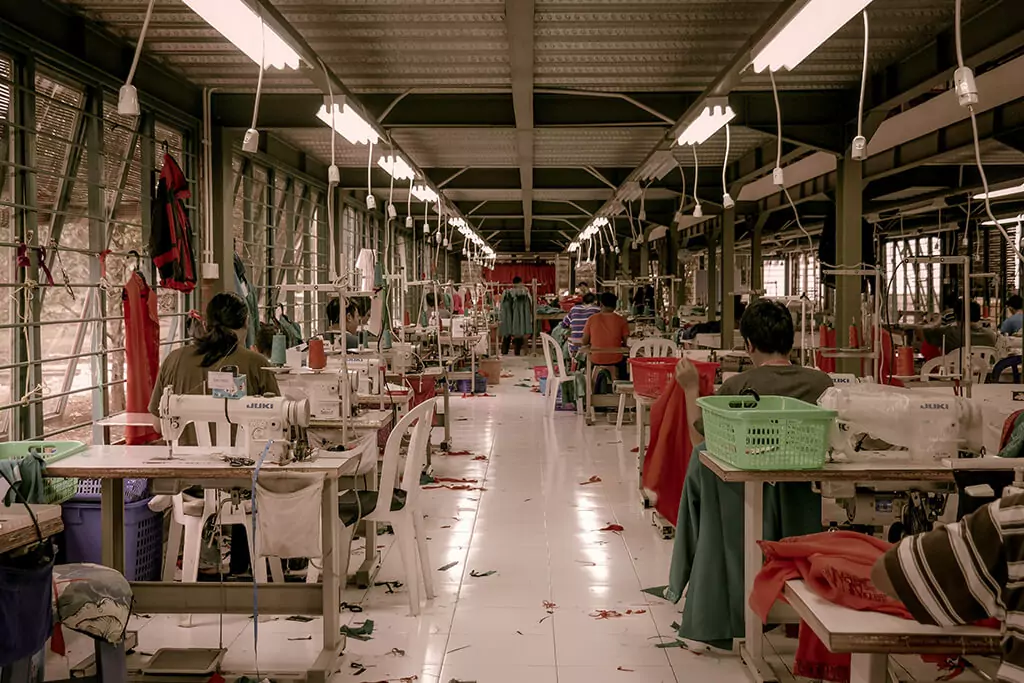
China, as the world’s manufacturing powerhouse, holds sway over numerous industries, from electronics to textiles. Yet, behind the veneer of modernity lies a shadowy reality: the prevalence of child labour in certain sectors. Reports from various human rights organizations continue to shed light on the harsh conditions endured by children working in factories, often in violation of both domestic and international labour laws.
For consumers, the decision to buy Chinese products becomes a moral puzzle. On one hand, the affordability and accessibility of these goods offer undeniable benefits, especially for those on a budget. On the other hand, the specter of child exploitation casts a long shadow, raising questions about complicity and ethical responsibility.
One approach to addressing this conundrum is heightened consumer awareness. Educating oneself about the origins of products and scrutinizing supply chains can empower consumers to make more informed choices. Initiatives such as fair trade certifications and ethical sourcing programs offer avenues for supporting businesses committed to ethical labour practices.
Furthermore, engaging with companies and advocating for transparency and accountability can drive meaningful change. By demanding clearer disclosures regarding labour practices and supporting brands that prioritize ethical sourcing, consumers can pressure companies to prioritize human rights over profit margins.
However, navigating the ethical landscape of consumerism is rarely straightforward. The interconnected nature of global supply chains often obscures the origins of products, making it challenging for consumers to trace the journey from factory to shelf. Moreover, the complexities of economic dependence and geopolitical dynamics add layers of nuance to the debate.
Ultimately, the responsibility to combat child labour extends beyond individual consumers to encompass governments, corporations, and international organizations. Enforcing stringent labour laws, promoting economic development, and fostering sustainable practices are essential steps towards eradicating child labour and ensuring ethical supply chains.
In the face of such complexities, there are no easy solutions. Each purchase represents a balancing act between personal convenience, economic realities, and ethical considerations. Yet, by staying informed, advocating for change, and supporting ethical businesses, consumers can play a crucial role in shaping a more equitable and just global economy.
Read more: The Evolution of Consumer Behaviour in the Digital Age


