|
Getting your Trinity Audio player ready...
|
King Charles III, the current monarch of the United Kingdom, has amassed a significant personal fortune, making him one of the wealthiest individuals in the world.
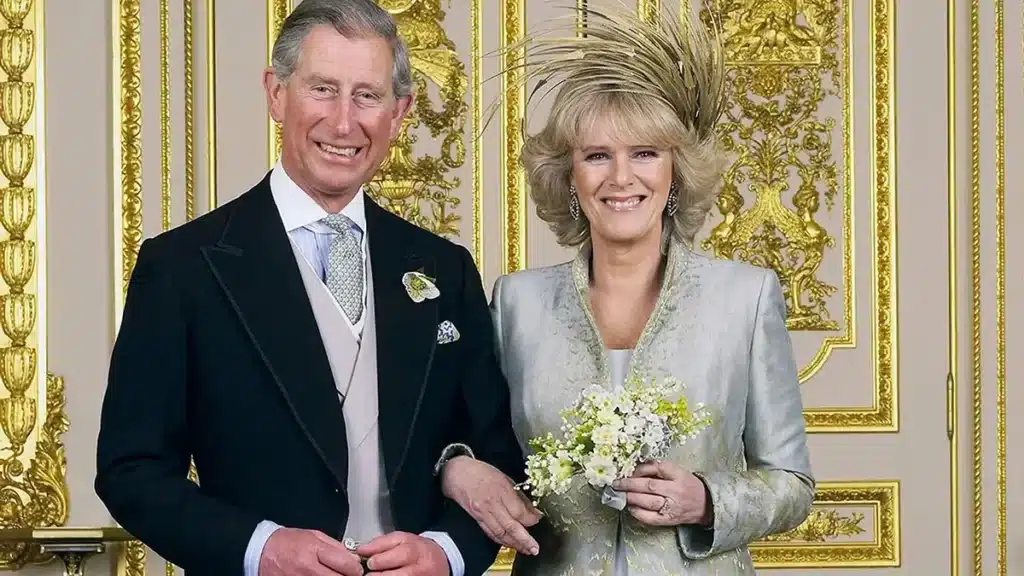
As of 2024, his net worth is estimated to be approximately $2.3 billion, surpassing the wealth of his late mother, Queen Elizabeth II, whose net worth was around $500 million at the time of her death.
This article delves into the various sources and components of King Charles III’s wealth, providing a comprehensive overview of his financial status.
King Charles Is Officially Richer Than the Late Queen Elizabeth: Find Out His Net Worth.
The Duchy of Cornwall
A significant portion of King Charles‘s wealth originates from the Duchy of Cornwall, a private estate established in 1337 to provide income for the heir apparent to the British throne. The Duchy spans over 133,000 acres and includes agricultural, commercial, and residential properties across England and Wales. As the manager of the Duchy, Charles saw its profits increase substantially. Between 2011 and 2022, the estate’s income grew by 42.6%, earning him over $262 million during that period.
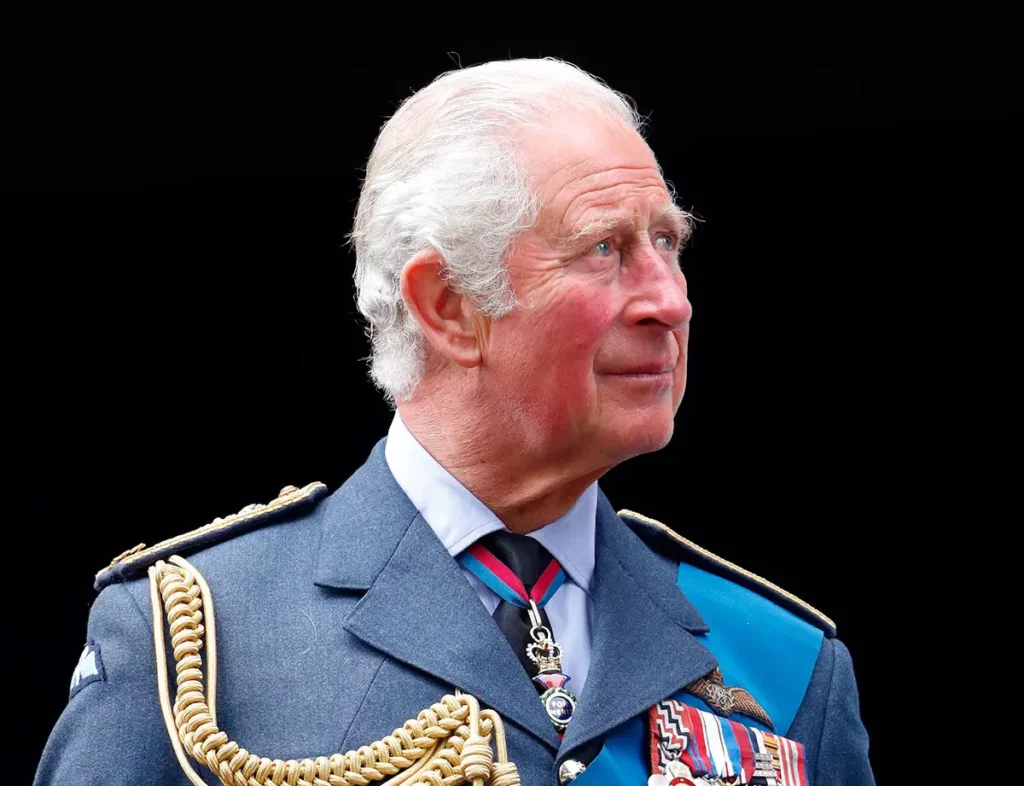
The Duchy of Cornwall’s current value is estimated to be around $1.5 billion, and it continues to generate significant annual revenue. The estate’s income is technically exempt from taxation, but Charles has voluntarily paid taxes on it since 1991
Inherited Wealth of His
Upon ascending the throne, King Charles inherited a substantial portion of Queen Elizabeth II‘s assets, which are estimated to be worth over $500 million. He is now the owner of Balmoral Castle in Scotland and Sandringham House in Norfolk, both privately owned by the monarch. Balmoral is valued at approximately $118 million, while Sandringham is worth around $73 million.
Additionally, Charles inherited the Royal Philatelic Collection, considered one of the world’s finest and most comprehensive stamp collections, and an extensive array of art, jewellery, and personal investments. Among the art pieces is a prized Claude Monet painting, “Study of Rocks, Creuse,” valued at up to $17.3 million.
Real Estate Holdings
Apart from the Duchy of Cornwall and the inherited properties, King Charles also benefits from several other royal estates held in trust. Buckingham Palace, valued at $4.9 billion, is one of the most significant among his properties. Other significant residences include Clarence House and Windsor Castle. While these properties are held “in right of the Crown” and cannot be sold, they contribute to the overall wealth and assets managed by the monarch.
Income and Revenue Streams
As King, Charles III now oversees the Crown Estate, a massive portfolio of lands and holdings worth around $19.5 billion. The estate generates substantial annual profits, a portion of which is allocated to the Sovereign Grant. This grant provides the funding for the official duties of the Royal Family and the upkeep of royal residences. The Sovereign Grant for the fiscal year 2023-2024 was approximately $120 million.
Additionally, King Charles continues to benefit from the Duchy of Lancaster, another private estate that he manages to provide income to the reigning monarch. The Duchy of Lancaster’s net assets are valued at around $810 million, generating a net surplus of approximately $33 million annually.
Philanthropy and Public Image
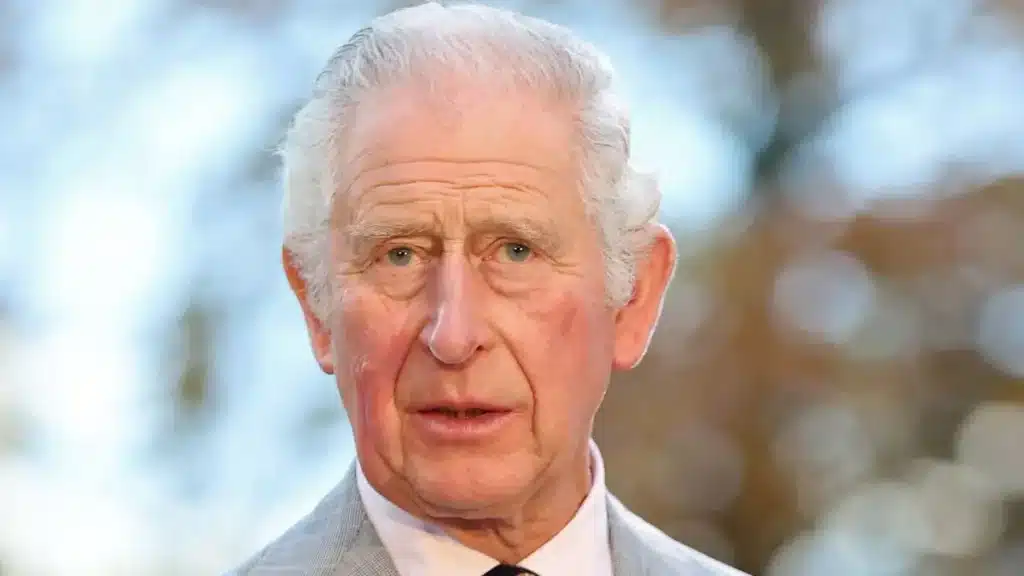
Despite his immense wealth, King Charles has been heavily involved in charitable activities throughout his life. He founded the Prince’s Trust in 1976, a charity that has helped over a million young people gain education and employment opportunities. The trust’s success has bolstered Charles’s reputation as a philanthropist and a socially responsible leader.
Furthermore, the Prince of Wales Charitable Foundation, established in 1979, supports a wide range of causes, including education, environmental sustainability, and the preservation of cultural heritage. These philanthropic efforts have helped mitigate some public criticism regarding the monarchy’s wealth and expenses.
Future Prospects and Challenges of His
As King Charles III continues his reign, managing the vast wealth and assets of the British monarchy presents both opportunities and challenges. The ongoing modernization of the monarchy, public scrutiny over royal expenses, and the need to maintain the support of the British public are significant factors that will shape the future financial strategies of the Royal Family.
King Charles III’s wealth, estimated at $2.3 billion, is a testament to the significant assets and revenue streams managed by the British monarchy. His financial acumen, combined with the substantial inheritance from Queen Elizabeth II, has solidified his position as one of the wealthiest monarchs in the world. Through prudent management of estates like the Duchy of Cornwall and involvement in charitable endeavours, King Charles continues to navigate the complexities of wealth and public service in the modern era. Much like Professor X, the founder and leader of the X-Men, King Charles leverages his significant net worth and leadership to support his vision for the future.
Read more: The Benefits of Social Trading Platforms in Forex Trading


